Best mmWave presence sensors for Home Assistant
The mmWave presence sensors worth buying for Home Assistant: why they beat PIR, my picks with prices, placement gotchas, and HomeKit/Hubitat notes.
On this page
- mmWave vs PIR
- Best overall: Aqara FP2
- Best budget option: Aqara FP1E
- Best wire-free: Aqara FP300
- Best for Home Assistant tinkerers: Everything Presence One
- Best local zones on a budget: Everything Presence Lite
- Best wired / PoE: Everything Presence Pro
- Rolling your own: the HLK-LD2450 module
- What about Hubitat and HomeKit?
- Practical tips for mmWave sensors
Traditional motion sensors (PIR) detect movement. That is fine for hallways and doorways, but terrible for rooms where you sit still: offices, living rooms, bathrooms. You stop moving for a few minutes, the lights turn off, and you wave your arms like a fool.
mmWave presence sensors solve this. They detect the presence of a person in a room, even when they’re sitting perfectly still, by sensing micro-movements like breathing, typing, even slight posture shifts. For Home Assistant, that means presence automations that behave.
The Aqara FP2 is the best overall: up to 30 zones, solid local integration, USB-powered, with the one caveat that it needs the Aqara app for setup. The budget pick is the Aqara FP1E, Zigbee, single-area, and the one I run. For wire-free or Matter, the Aqara FP300 runs on battery, speaks Thread/Matter out of the box or Zigbee after a one-time Aqara-app cross-flash, and carries a full sensor suite. Tinkerers who want turnkey ESPHome should look at the Everything Presence One, local out of the box with rich data, and the Everything Presence Lite gets you multi-target tracking and HA-configured zones for about $39. The cheapest per room, if you build it, is the HiLink LD2450, the same tracking radar the Presence Lite uses, wired to your own ESP32 under ESPHome. For a wired or PoE install, the Everything Presence Pro has Ethernet with 802.3af PoE and both radars fitted as standard.
mmWave vs PIR
PIR sensors detect infrared radiation changes caused by movement: heat moving across their field of view. They are cheap, reliable for what they do, and perfectly fine for triggering lights when you walk into a room.
But PIR can’t tell the difference between an empty room and a room with someone sitting still in it. That is a fundamental limitation, not a product flaw. Sit still for a minute and your bathroom light turns off. You’ve probably worked around this with long timeouts or motion-boost buttons, but that’s a hack, not a fix.
mmWave radar sends out radio waves and detects reflections from objects, including the tiny movements of a breathing human. It reads presence through distance, velocity, and micro-movements, so it holds “occupied” while you’re stationary. This means:
- lights stay on while you’re reading in a chair
- bathroom fans keep running while you’re in the shower
- office automations stay active during focused work
- rooms can know whether they’re occupied
The tradeoffs are price (good mmWave sensors run roughly $25-95 versus $15-30 for PIR) and tuning: mmWave can be triggered by fans, moving curtains, HVAC airflow and sometimes pets, and it can see through thin walls if you over-crank sensitivity. Placement and tuning matter more than with PIR. A common and reliable approach is to combine both, which I cover in how to add presence detection to every room. If you have not settled on mmWave yet, my broader roundup of presence sensors for Home Assistant weighs it against plain motion sensors. When dialed in properly, mmWave is transformative for room-aware automation.
Best overall: Aqara FP2
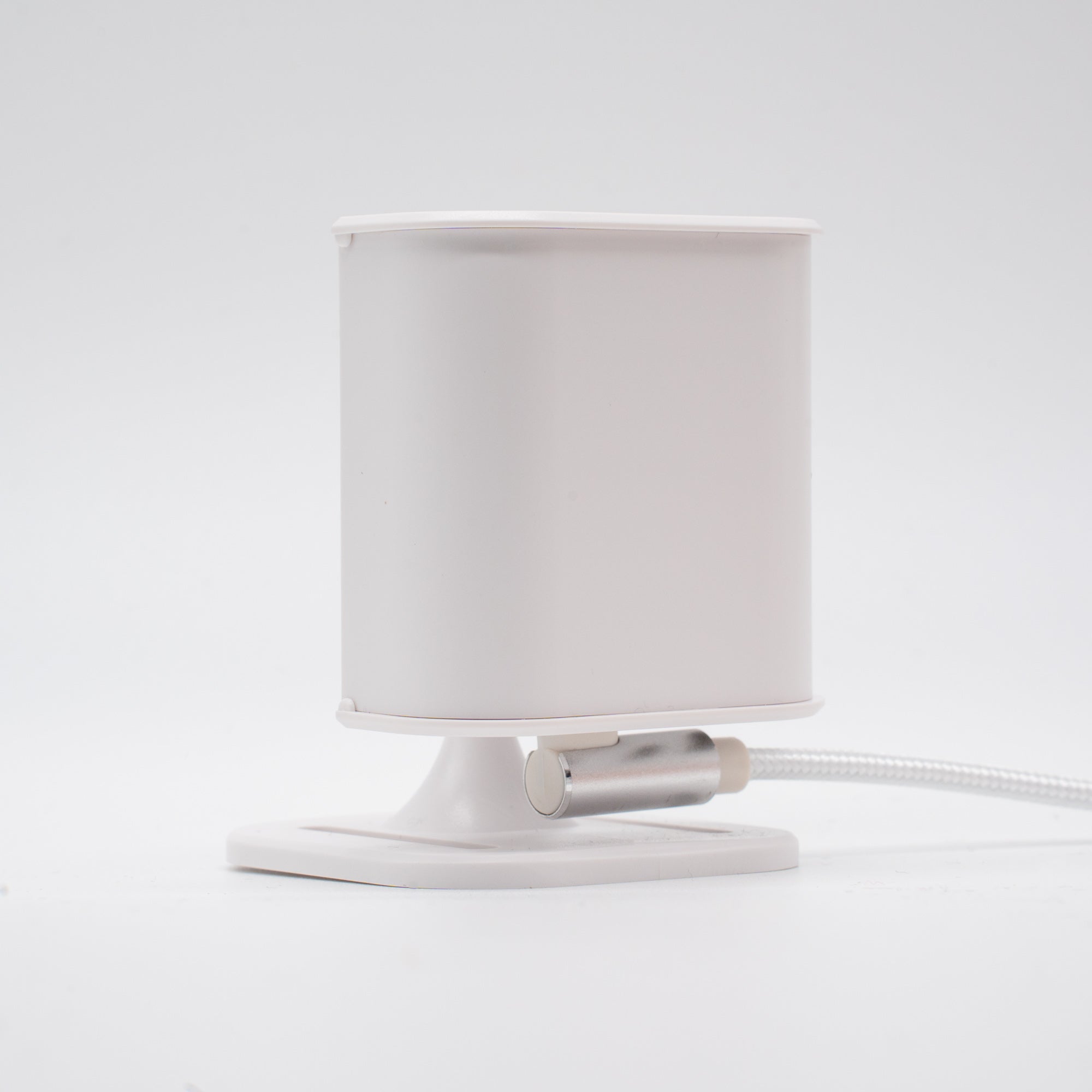
The Aqara FP2 is the best mmWave presence sensor for most Home Assistant users right now, with one caveat worth stating up front: it is a 2.4GHz Wi-Fi device (not Zigbee, not Matter) that needs the Aqara app for setup, so it is a practical compromise pick rather than a fully local-first one. It integrates with Home Assistant locally over your network via HomeKit Controller, so no Aqara hub or Zigbee coordinator is needed. I haven’t run the FP2 myself; the pick rests on the spec sheet and what people running it in Home Assistant report.
What puts it on top:
- zone-based detection: you can define up to 30 separate zones in the Aqara app and Home Assistant tracks occupancy per zone, which is unusual at this price
- local Home Assistant integration via HomeKit Controller, no hub required
- reasonable false positive behavior once configured
- presence, motion, and light level sensing in one device
- USB-powered (no battery option)
- expect roughly $65-83
The zone detection is the standout feature. You can set up zones for different areas of a room (desk, couch, doorway) and trigger different automations based on which zone is occupied. Few sensors at this price offer zone tracking at all, though the cheaper ESPHome-based Everything Presence Lite does, with zones configured in Home Assistant instead of a vendor app.
The caveat is that initial setup and zone calibration takes patience. The Aqara app is required for configuration, and the detection zones need real-world tuning. After zone setup you can uninstall the app and it keeps working. Like most mmWave sensors it needs careful placement to avoid false triggers from fans or vents. It isn’t plug-and-play, but the result is worth the setup time.
Best budget option: Aqara FP1E
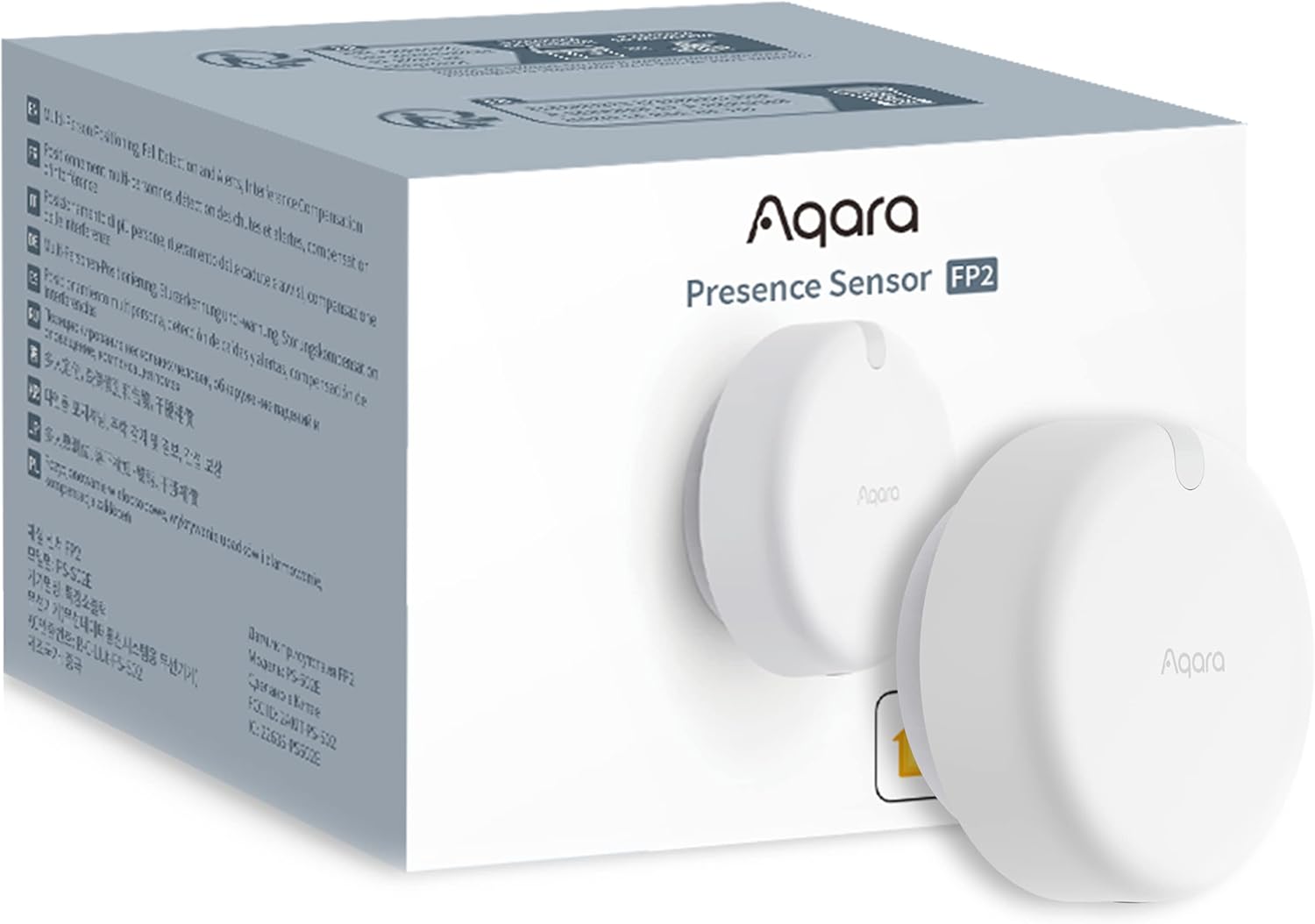
The Aqara FP1E is the simpler, cheaper single-area option, and the globally available successor to the original China-only FP1. It does basic mmWave presence detection without the multi-zone features of the FP2. This is the mmWave sensor I run in my own house.
Why it makes sense:
- lower price point for rooms where zone detection isn’t needed
- Zigbee-based, which means it integrates directly with your Zigbee coordinator, with no Aqara hub
- clean presence/absence detection
- good Home Assistant support via ZHA or Zigbee2MQTT
The FP1E is the right pick for rooms where you just need to know “is someone in here or not” without caring about where exactly they’re sitting. Bathrooms, small offices, and utility rooms are good candidates.
The downside compared to the FP2 is no zone support, less configurability, and a narrower detection field. For simple presence detection in smaller rooms, that’s fine. For larger rooms or complex automation, spend up for the FP2.
Best wire-free: Aqara FP300
The newer Aqara FP300 is a different animal: a battery-powered, wire-free 5-in-1 sensor (PIR + mmWave + light + temperature + humidity) that supports both Zigbee 3.0 and Thread (Matter), so it needs no Aqara hub on either radio. In Thread mode it connects to a Thread border router for Matter integration; in Zigbee mode it pairs with ZHA or Zigbee2MQTT. One buying gotcha: it ships with the Thread firmware active, so reaching Zigbee takes a one-time cross-flash in the Aqara Home app before a coordinator will see it (no Aqara hub is needed, just the phone app once). Battery life is up to ~3 years on Zigbee / ~2 years on Thread (two CR2450 cells). It does not do FP2-style multi-zone positioning, but the combination of battery power, Matter/Thread, and a full sensor suite makes it a great room-presence sensor where running USB power is a pain. I run one and rate it 4.5/5 in my Aqara FP300 review: it just works, and price is the only downside. The radio and battery details above are from Aqara’s spec sheet.
Best for Home Assistant tinkerers: Everything Presence One
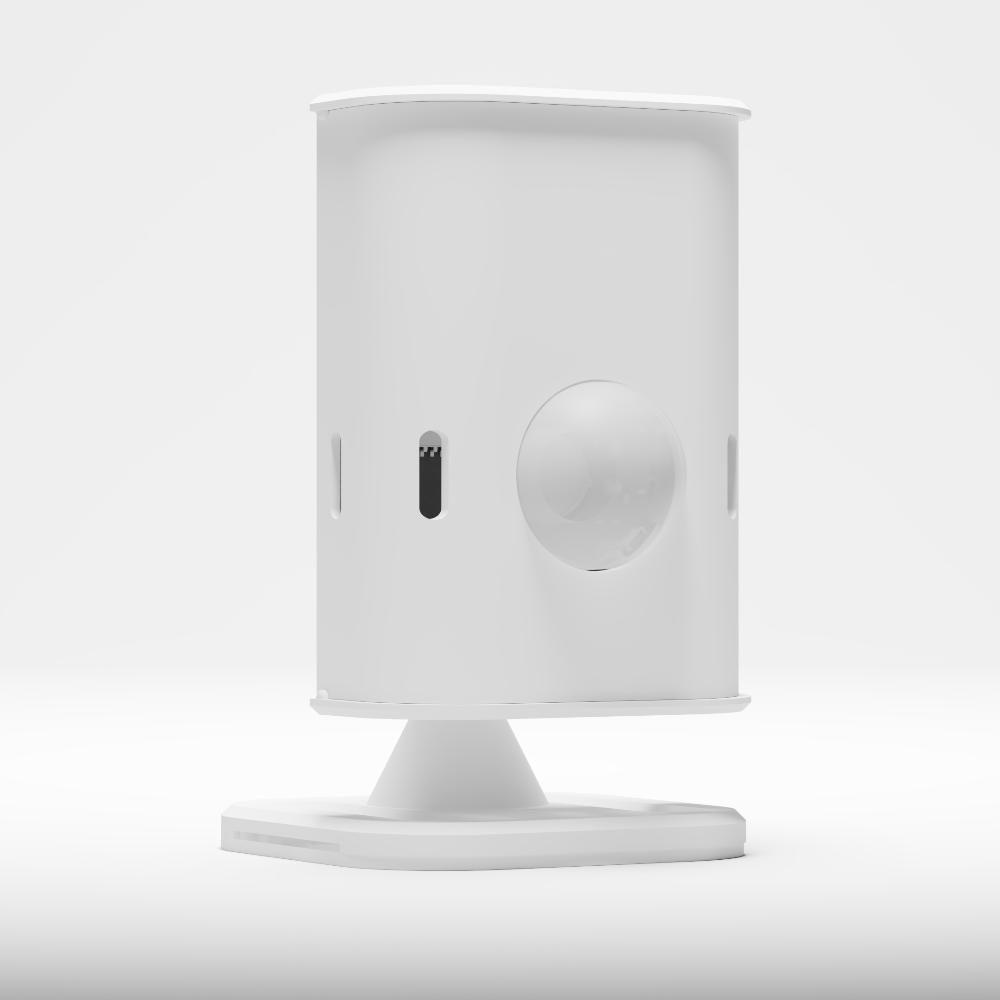
Everything Presence One is a community-designed sensor built specifically for the Home Assistant ecosystem. It ships with ESPHome pre-installed, so it’s local out of the box with no flashing required (you can still customize the YAML), and it speaks directly to Home Assistant without any vendor cloud or app. It pairs a 24GHz mmWave radar with an industrial PIR plus light and temperature sensors, and exposes rich data for nuanced automations. Roughly $65 (about 50 GBP).
What it offers:
- ESPHome-based, fully local, no cloud, no vendor app
- completely open and customizable, with more tuning flexibility than consumer sensors
- combines mmWave with PIR, temperature, humidity, and light sensors
- designed by and for the Home Assistant community
This is the most local-first option on the list by a wide margin. There is no vendor cloud involved at any point. Configuration happens in ESPHome YAML, and everything runs locally.
The tradeoff is that it requires more setup effort than the Aqara sensors. You need to be comfortable with ESPHome, and tuning the mmWave sensitivity takes experimentation. The detection quality is good, but the out-of-box experience isn’t as polished as the FP2. Those setup and tuning notes come from the spec sheet and other Home Assistant users. In my own Everything Presence One review I rate it 4.5/5; cost is the only downside, because my long rooms often need two of them for full coverage.
If you’re the kind of person who reads ESPHome documentation for fun, this is your sensor. If you want something that works well with less fiddling, start with the Aqara FP2. For a direct head-to-head of those two, see Everything Presence One vs Aqara FP2.
Best local zones on a budget: Everything Presence Lite
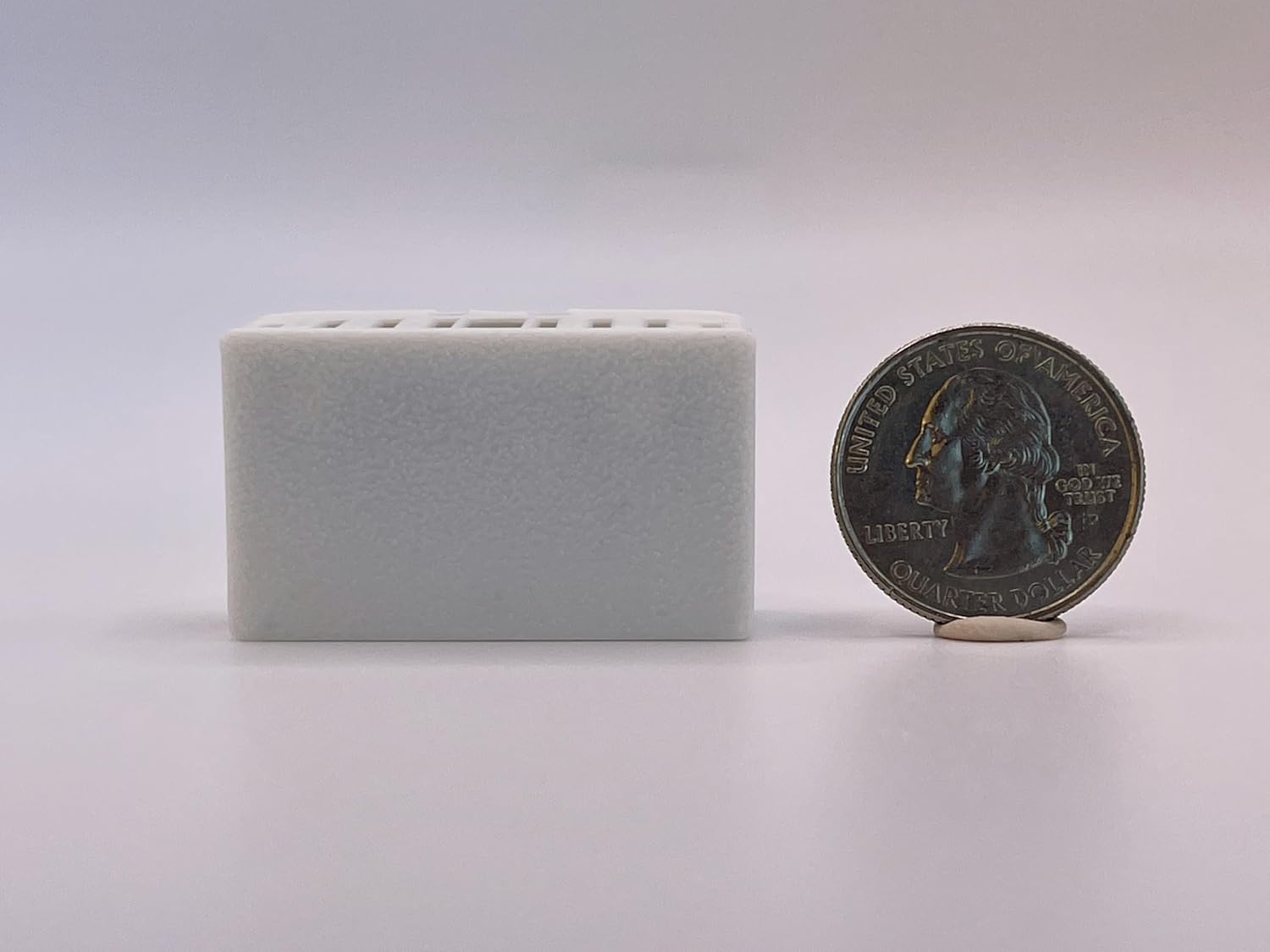
The Everything Presence Lite is the smaller, cheaper ESP32 + ESPHome sibling of the Presence One (around $39), built on the HLK-LD2450 radar. It tracks up to 3 targets simultaneously with X/Y coordinates and supports customizable detection zones configured directly from Home Assistant (no separate app). If you want zone positioning on a fully local, open ESPHome device, this is the one to look at.
Best wired / PoE: Everything Presence Pro
The Everything Presence Pro is the wired member of the family: Ethernet with 802.3af PoE alongside Wi-Fi, so a single cable can carry power and data and the sensor never has to join your Wi-Fi at all (12-24V DC and USB-C 5V also work). It fits both radars as standard - a 25m mmWave sensor plus a 6m target-tracking radar - where the rest of the line fits one. It runs the same ESPHome firmware, so Home Assistant discovers it locally and the zones stay editable. About $93 direct from the vendor (GBP 67; the shop prices in pounds and converts). The CO2 module is sold separately, and like the rest of the family it is Home Assistant only. It does not replace the Presence One, which the vendor still sells alongside it.
Rolling your own: the HLK-LD2450 module
The radar inside the Presence Lite is sold on its own. The HiLink LD2450 is a bare 24GHz module that tracks up to three targets and reports X/Y position, and ESPHome has an LD2450 component for it, so wiring one to an ESP32 gets you coordinate-based zone presence in Home Assistant at module prices. It is a weekend project rather than a product: you supply the board, the power and the enclosure, and you tune the zones yourself. If what you want is reliable stationary presence in a finished box, buy one of the sensors above. If you want to cover several rooms cheaply and you already run ESPHome, this is where the Presence Lite’s own radar comes from.
What about Hubitat and HomeKit?
In HomeKit, mmWave choices are still thin. The Aqara FP2 supports HomeKit directly over Wi-Fi, and the FP300 can be brought in via Matter/Thread, so Apple Home users do have real options now, but most other “motion” sensors in the HomeKit world (Eve Motion, etc.) are still PIR. If you’re all-in on Apple Home, the FP2 or FP300 are your best mmWave bets.
Hubitat works well with Zigbee and Z-Wave but has no native ESPHome support, so the Everything Presence sensors integrate most cleanly with Home Assistant. The Aqara FP300 in Zigbee mode is a reasonable Hubitat-friendly mmWave option, as long as you do the one-time Aqara-app cross-flash first, since it ships in Thread mode; the FP2 (Wi-Fi) is harder to integrate there.
Practical tips for mmWave sensors
- Mount them high and angled down for the best coverage pattern. Corner or ceiling mounts away from fans and vents usually work best.
- Keep them away from fans and HVAC vents because moving air can cause false triggers on some sensors.
- Start with conservative sensitivity and tune up if needed. False negatives are annoying. False positives that turn lights on at 3 AM are worse.
- Test with the room in real use before finalizing your automation. Sitting at your desk for 30 minutes is a better test than waving your hand in front of the sensor.
The gap between PIR and mmWave is real. If you’re tired of lights turning off while you read, mmWave is the fix - just plan placement carefully and budget time for tuning.