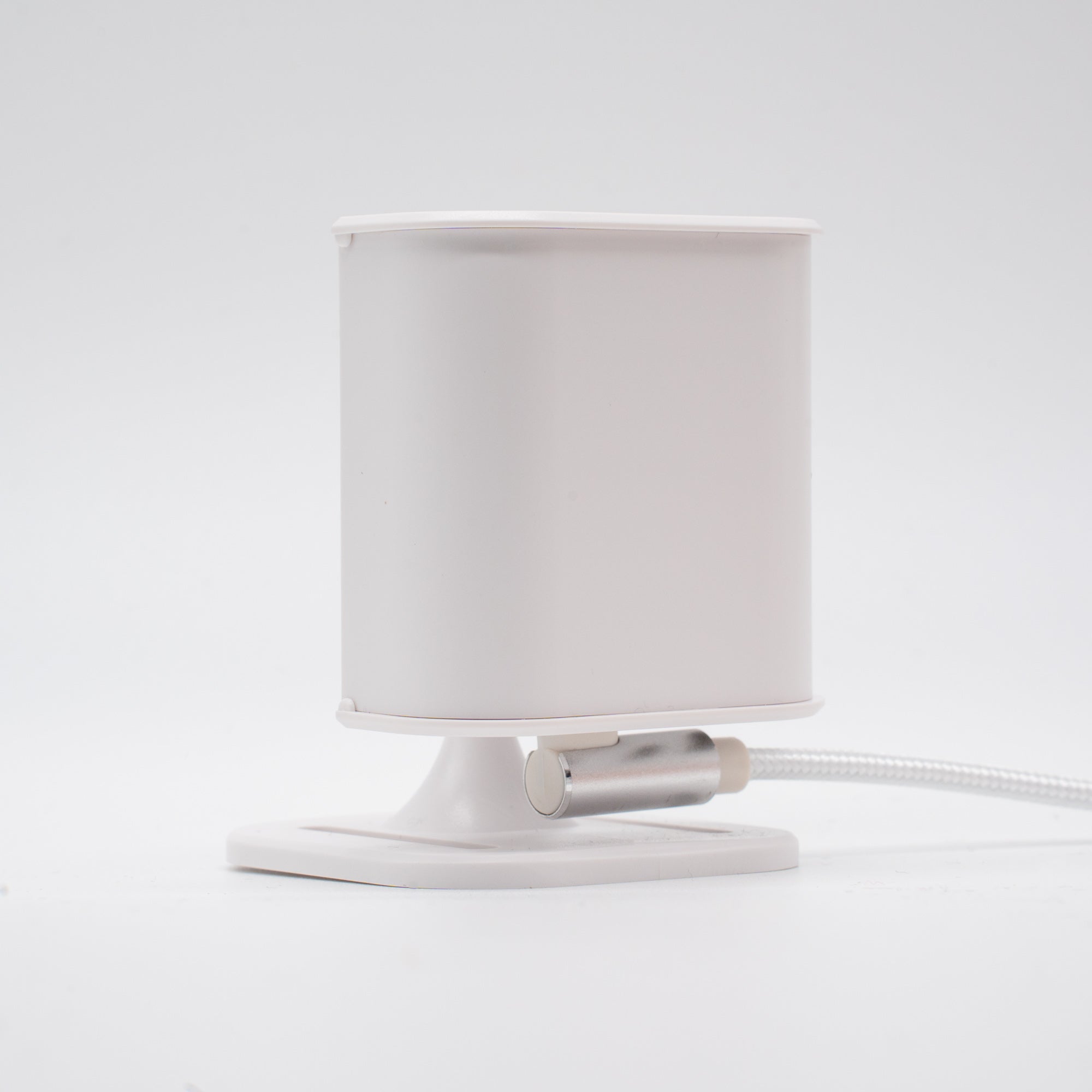
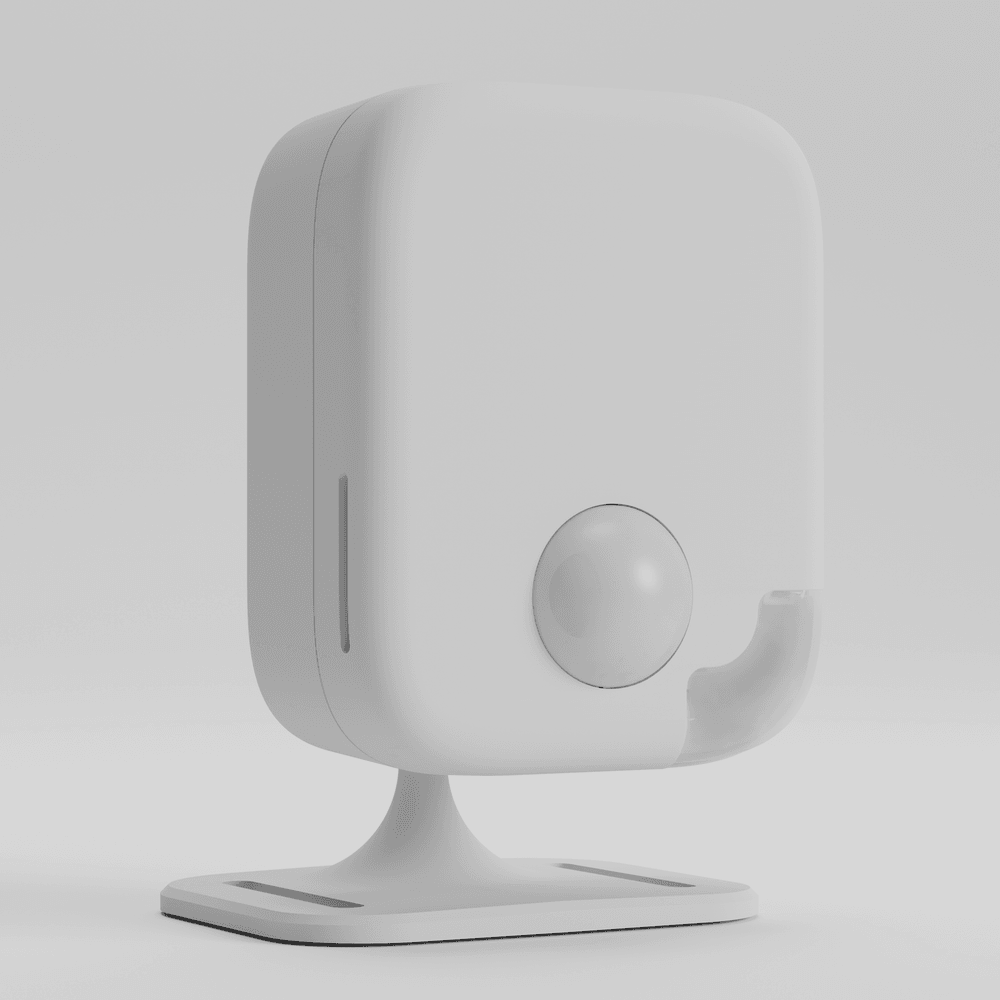
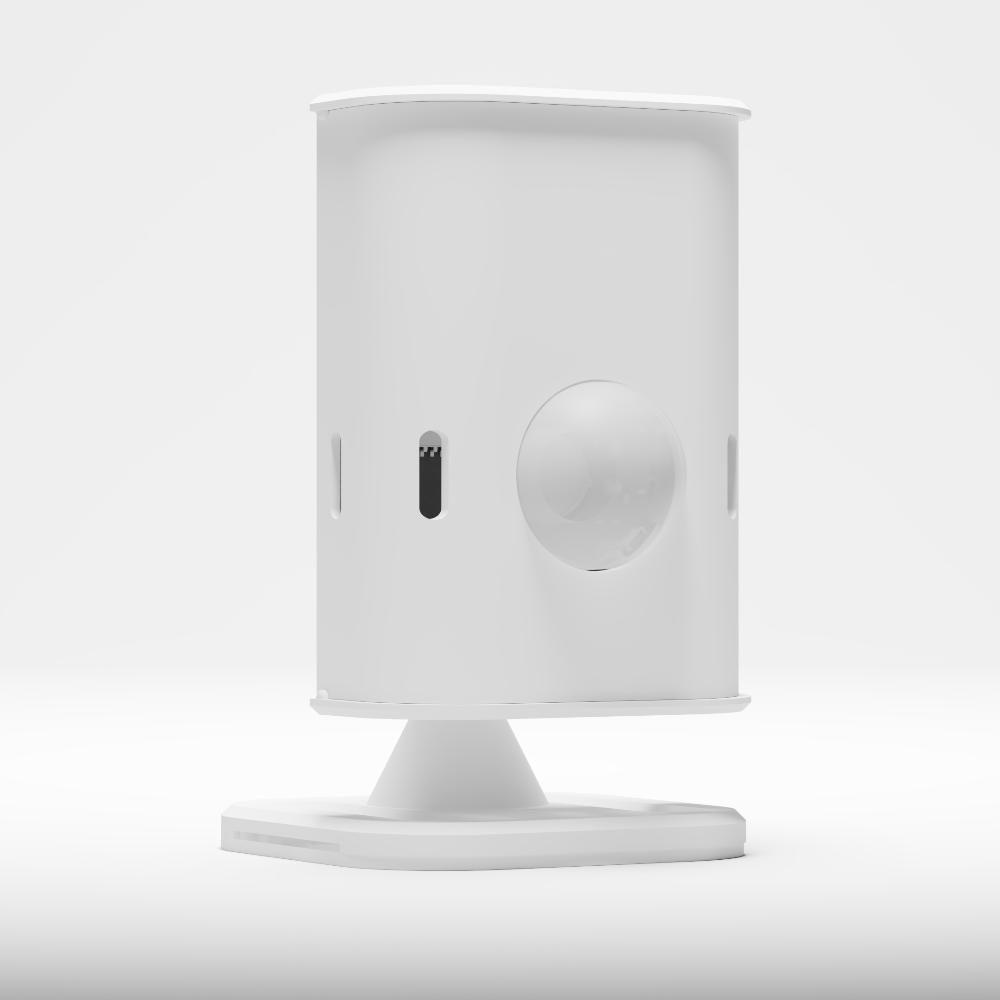
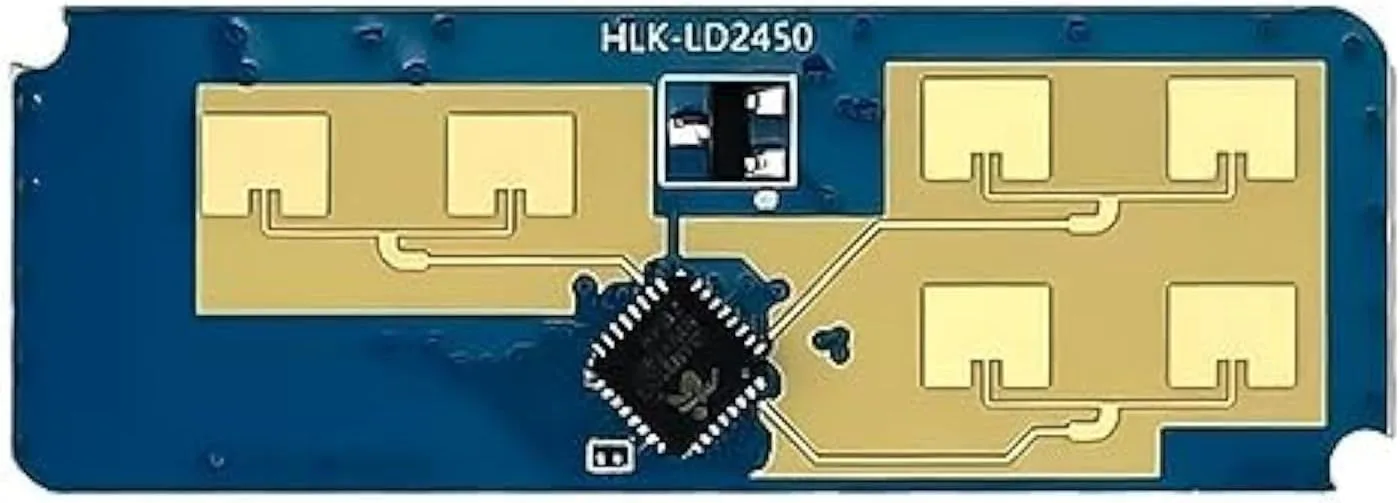
Not a cut-down Presence One - a different sensor. The Lite drops the One's PIR and its temperature and humidity sensors, but its LD2450 radar tracks up to three people at once and supports detection zones you configure from Home Assistant as rectangles or custom polygons, including entry and exit zones for directional triggers. The One does none of that. ESPHome integration is clean and the mmWave detection works well for occupancy automations. It is not a consumer product - you need Home Assistant to make it useful.
Standout: Tracks up to three people at once with detection zones you draw in Home Assistant - which the pricier Presence One cannot do.
Notes last checked Mar 22, 2026.
Compatibility snapshot
Home AssistantexcellentFull local control, no cloud needed. Native Home Assistant integration or a local protocol.
Apple HomenoneNo official support on this platform.
Google HomenoneNo official support on this platform.
AlexanoneNo official support on this platform.
Works offlineyes
Setupmoderate
Extra hub neededno
PowerUSB-C powered sensor
Local control facts
Home Assistant: esphome integration, Local Push, Platinum on the quality scale (home-assistant.io, checked Sep 10, 2026)
Why it stands out
auto-discovered by Home Assistant via ESPHome - native local integration with no cloud account
all sensor data stays on your local network with no vendor app required
multi-person tracking (up to 3 targets) plus rectangle, polygon and entry/exit detection zones configured from Home Assistant
Reasons to hesitate
no Apple Home, Google Home, or Alexa support - it only talks to Home Assistant
setup requires more hands-on calibration than polished consumer sensors like Aqara or Hue
only makes sense if Home Assistant is already your automation platform
no PIR and no temperature or humidity sensor - it senses presence and light only, unlike the Presence One
Best for
Home Assistant households that want serious local presence sensing
buyers who prefer ESPHome-style local control over vendor apps
Avoid if
you want polished Apple Home or Alexa-first setup
you want a sensor that feels like a mainstream retail gadget
Privacy and local-control notes
Strong local-first fit because the device is built around ESPHome-style local control instead of a vendor cloud account. Note: while ESPHome devices can technically work with other platforms via its native API, the simplest and best-supported path is Home Assistant. Treat this as a Home Assistant device in practice.
Home Assistant support: supported · integration path: ESPHome / native Home Assistant.