Best local presence sensors for Home Assistant and local-first homes
Everything Presence Lite first for a Home Assistant house: local mmWave, no cloud account. Plus Apollo MSR-2, Aqara FP1E and FP2, and wired picks room by room.
On this page
- Quick verdict
- How I judge presence sensors
- Best overall for local-first Home Assistant setups: Everything Presence Lite
- Best rich-sensor choice for advanced users: Apollo MSR-2
- Best mainstream easy recommendation: Philips Hue Motion Sensor
- Best mainstream room-presence compromise: Aqara FP2
- Best budget local mmWave: Aqara FP1E
- Wired presence sensors room by room
- What to avoid
Presence sensing is where a smart home starts feeling either clever or haunted.
Good sensors make lights, HVAC, and room automations feel natural. Bad ones make you wave at your own house like a confused stage performer.
Short version: my top picks are the Everything Presence Lite overall for Home Assistant tinkerers, the Apollo MSR-2 as the rich-sensor option for advanced HA setups, the Philips Hue Motion Sensor as the mainstream low-drama motion sensor, the Aqara FP2 as the compromise if you really want room-level mmWave from a mainstream brand, and the Aqara FP1E as the budget mmWave that stays on Zigbee. If you can get USB power to the spot, the room-by-room wired section says which of them fits where.
Quick verdict
If your home revolves around Home Assistant and you want the strongest local-first answer, start with Everything Presence Lite.
If you want a sensor that does more than presence alone and you know how you’ll use the extra data, Apollo MSR-2 is the more ambitious pick.
If you mostly want dependable automations with less tinkering, Philips Hue Motion Sensor is still one of the easiest sane choices, even though it’s motion-first rather than true presence sensing.
If you want zone-based room presence and are willing to accept more ecosystem compromise, Aqara FP2 is the practical mainstream option - but note it is a Wi-Fi device. If the Everything Presence One is the other sensor on your shortlist, Everything Presence One vs Aqara FP2 compares them directly. If you would rather keep mmWave on Zigbee and only need to know whether a room is occupied, buy the cheaper Aqara FP1E instead.
How I judge presence sensors
The right occupancy sensor improves real rooms without turning setup into a side hobby; a long feature list doesn’t count for much. If your goal is whole-home coverage rather than a single sensor, see how to add presence detection to every room.
I care about:
- Local control and offline usefulness
- Home Assistant quality
- Whether it’s true presence sensing or just motion sensing
- Tuning and placement complexity
- How much ecosystem baggage comes with the device
Best overall for local-first Home Assistant setups: Everything Presence Lite
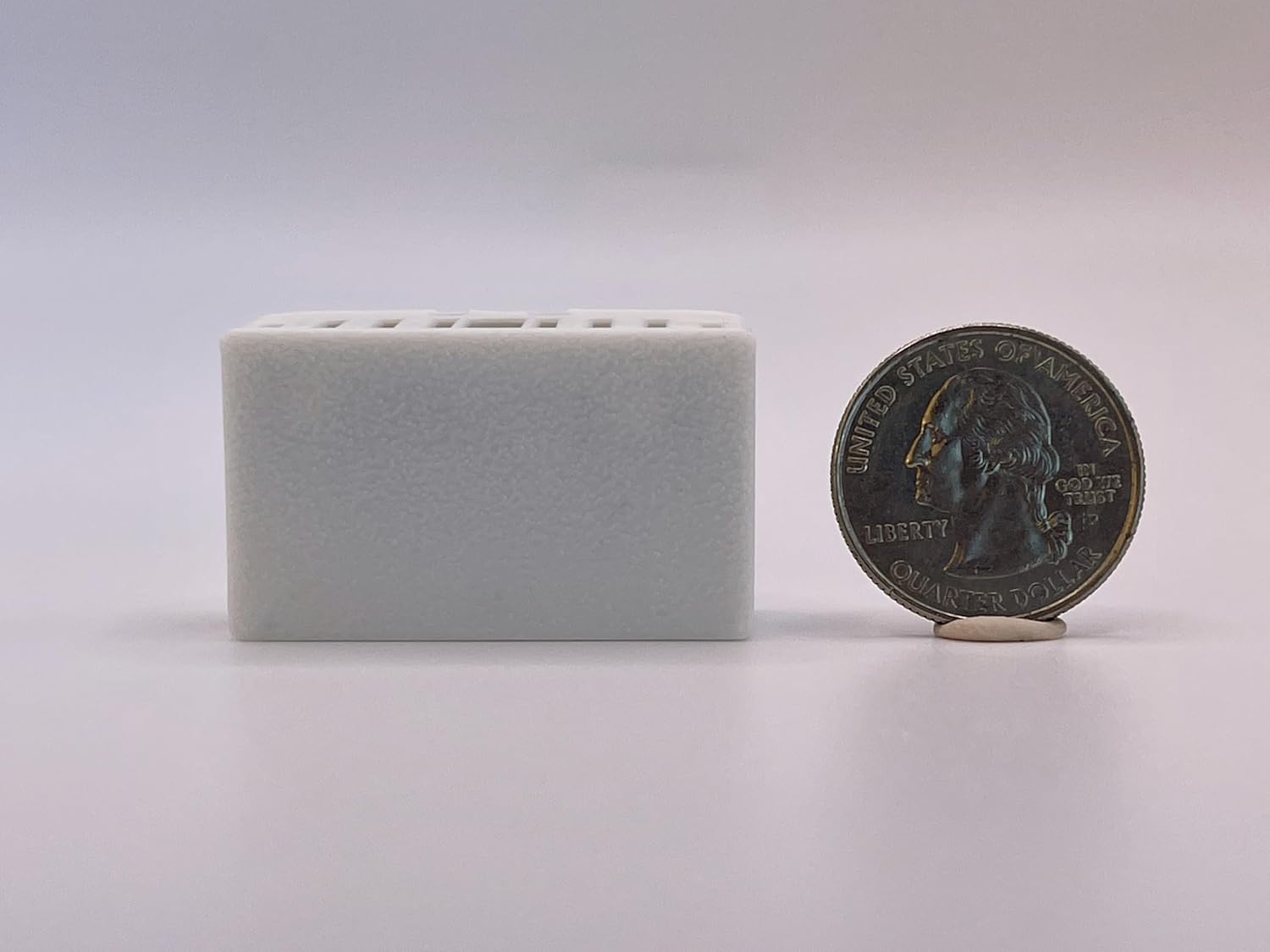
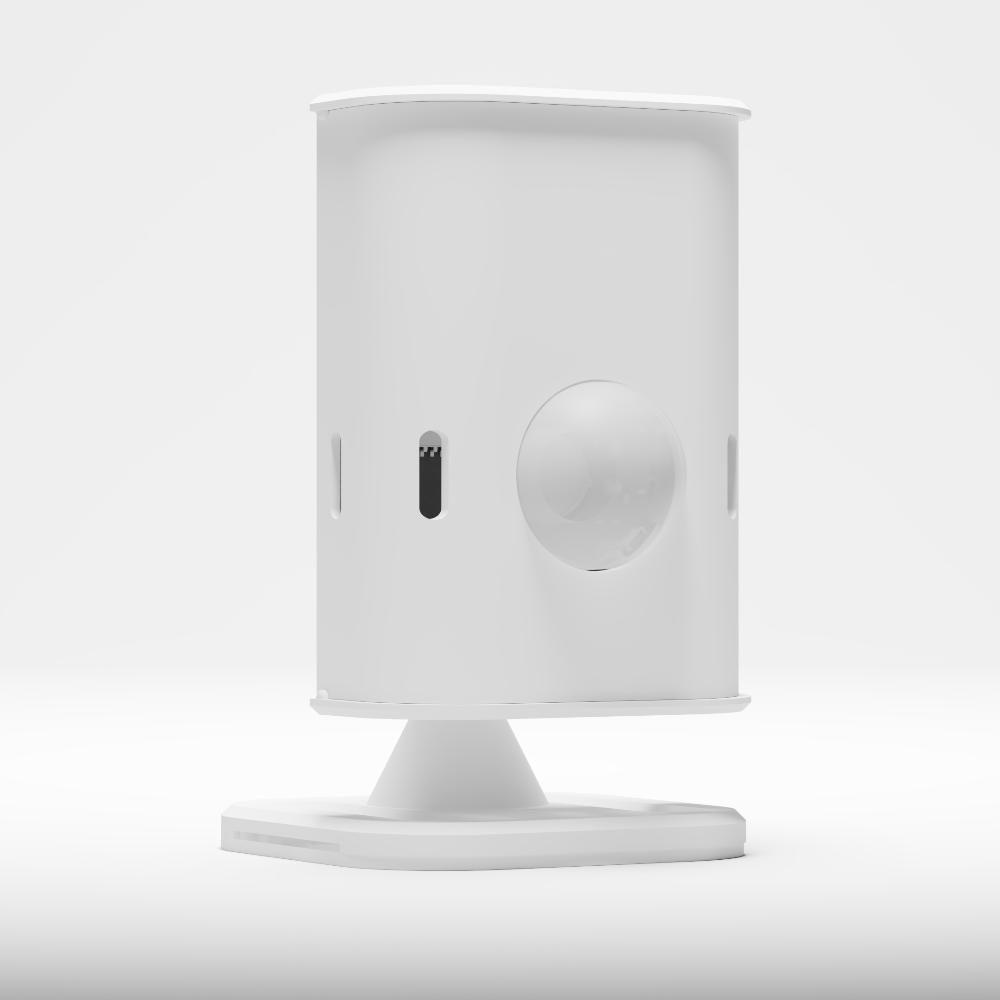
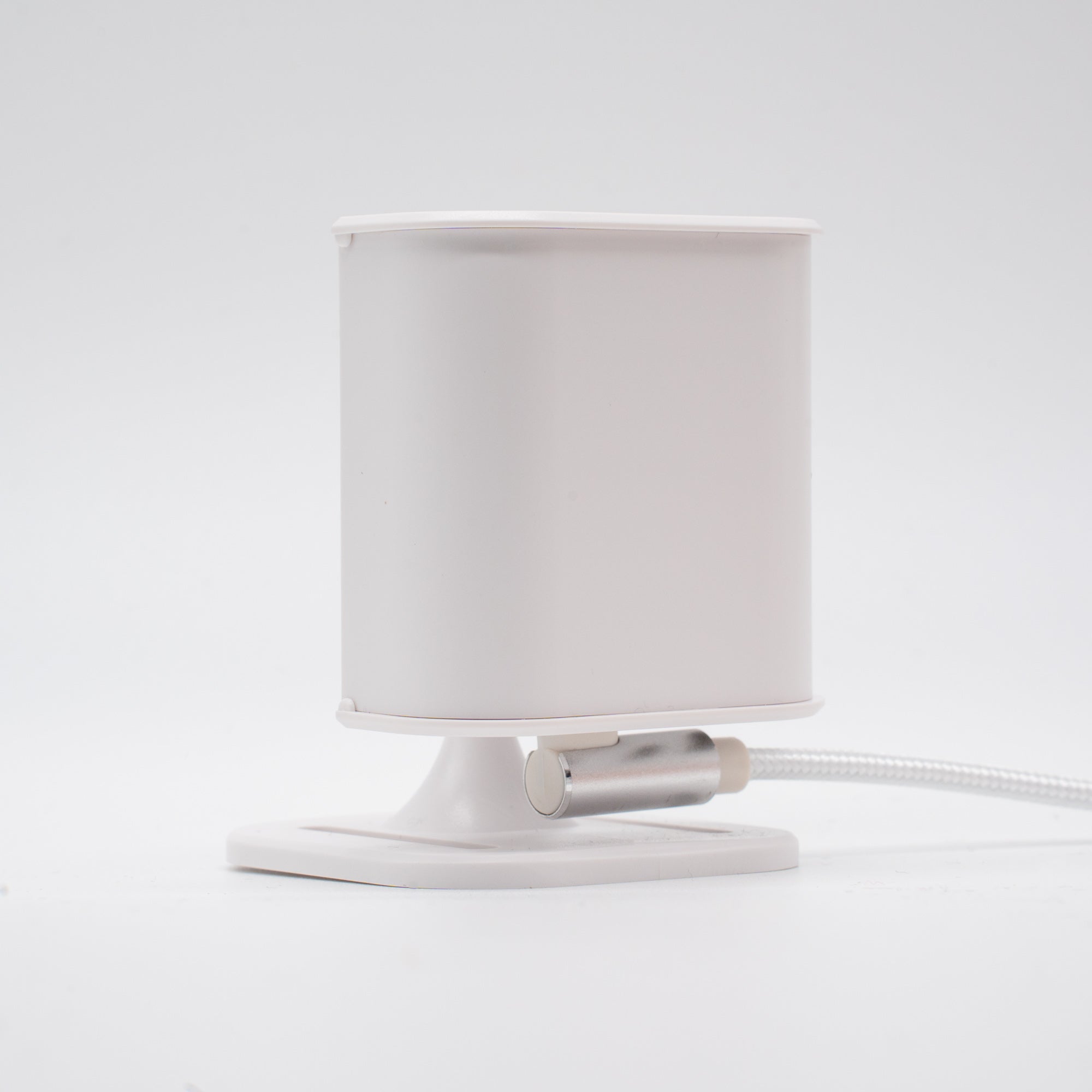
The Everything Presence Lite is an ESPHome mmWave sensor, and that is the whole reason it leads this list for a Home Assistant-first house.
Why it stands out:
- excellent Home Assistant fit
- clean local-first behavior
- better long-term flexibility than many app-centric sensors
The catch is that it isn’t pretending to be a mainstream mass-market gadget. That is partly why it’s good. I haven’t run the Lite myself; the pick rests on the ESPHome local story and reports from the Home Assistant forums.
If you can run a cable to the sensor, the same vendor also sells the Everything Presence Pro. It is the wired member of the family: Ethernet with 802.3af PoE alongside Wi-Fi, so a single cable carries power and data and the sensor never has to touch your Wi-Fi at all. It also ships with both radars fitted as standard - a 25m mmWave sensor plus a 6m target-tracking radar - where the rest of the line fits one. It runs the same ESPHome firmware, so Home Assistant discovers it locally and the detection zones stay editable, and like the rest of the family it is Home Assistant only, with no Apple Home, Google Home, or Alexa support. It does not replace the Everything Presence One, which the vendor still sells alongside it. Pick the Pro when you can run Ethernet to the spot you want covered; pick a USB-powered model when you cannot.
Best rich-sensor choice for advanced users: Apollo MSR-2
Apollo MSR-2 makes sense when you want a sensor that can support more ambitious room logic instead of just “someone moved, flip the light.”
Why it makes sense:
- excellent HA support
- local-first behavior
- richer telemetry for more nuanced automations
The downside is obvious: more capability also means more ways to overcomplicate your setup.
Best mainstream easy recommendation: Philips Hue Motion Sensor
This is the least nerdy recommendation on the page, and that’s useful.
The Philips Hue Motion Sensor isn’t true mmWave presence sensing, but it’s still a very practical answer for people who want:
- dependable automations
- good Zigbee reliability
- less tuning drama
- reasonable mainstream ecosystem compatibility
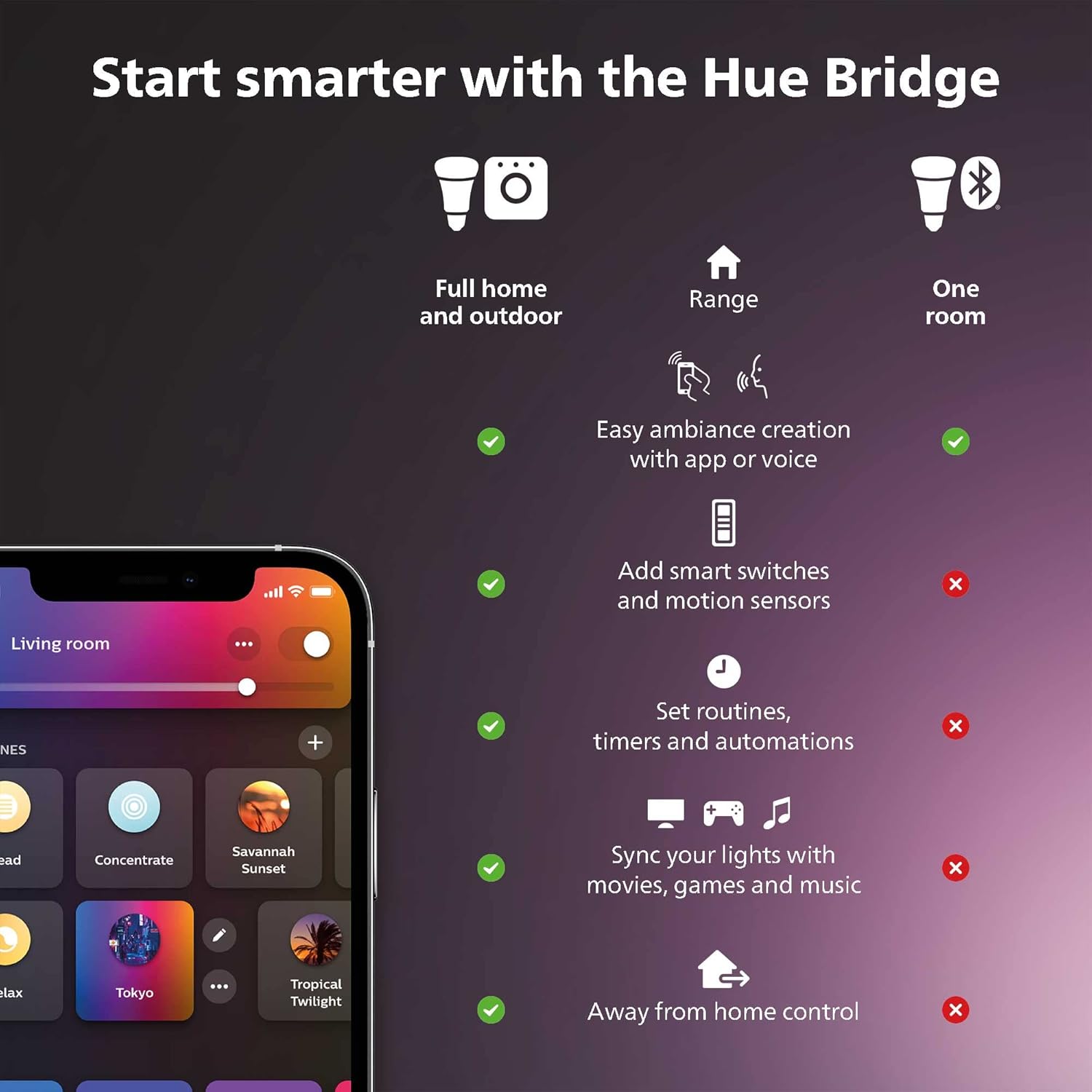
One buying note the packaging does not make obvious: Philips sells it as a Hue-Bridge accessory, and pairing it to the Philips Hue Bridge does give the snappiest response (about a 10-second no-motion cooldown). It is a standard Zigbee sensor, though, so it also joins ZHA or Zigbee2MQTT directly with no bridge in the path - there the firmware default cooldown is closer to 5 minutes.
If you want lights to turn on when people walk into a room, this is still a good product. If you want a room to understand someone sitting still at a desk, it isn’t enough.
Best mainstream room-presence compromise: Aqara FP2
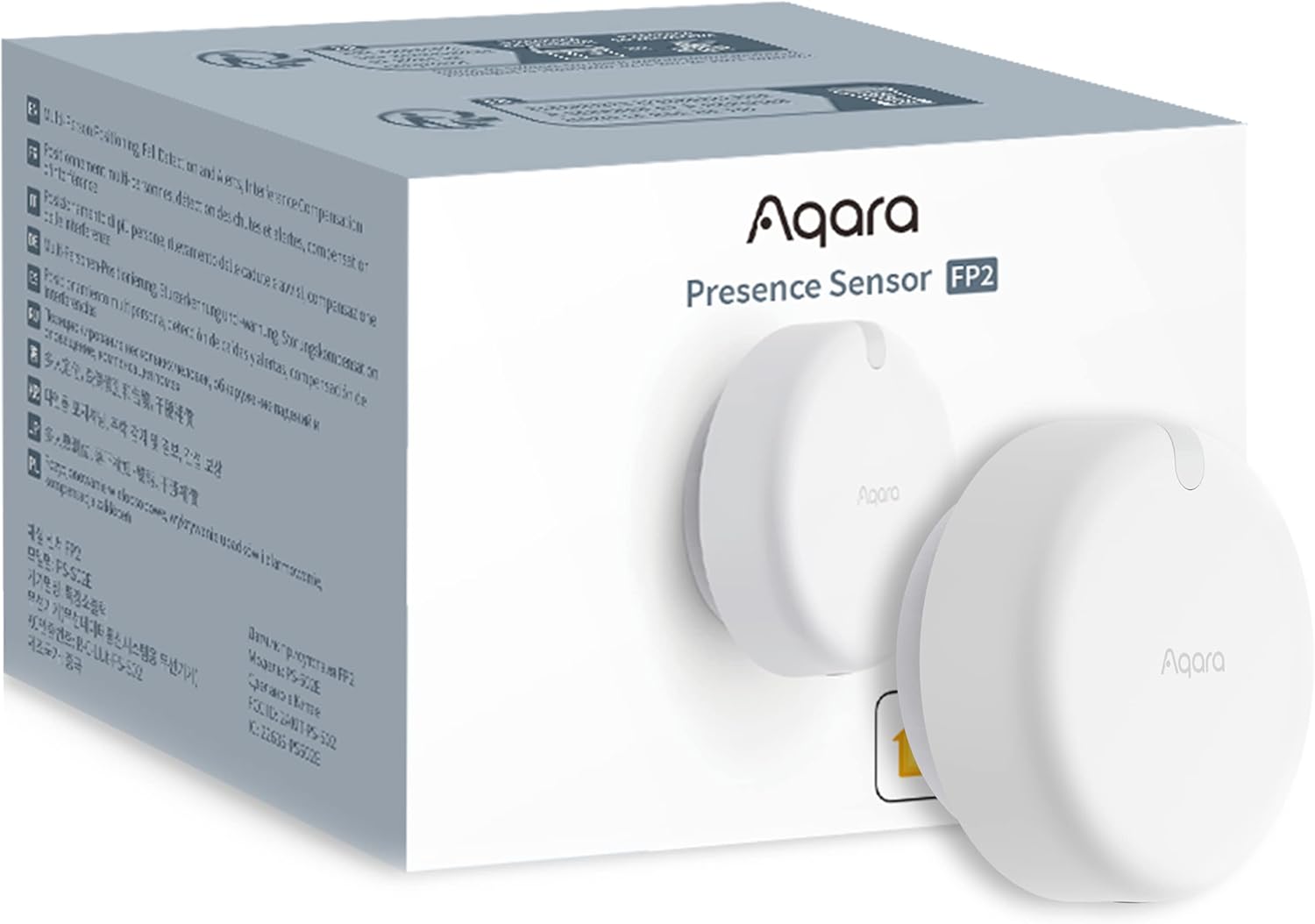
The Aqara FP2 is what you buy when you want more sophisticated room presence than motion sensors can provide, but you’re willing to tolerate some ecosystem compromise to get it.
What it offers:
- zone-based presence sensing, so “on the couch” and “at the entry” can be separate triggers
- stronger room-awareness than ordinary motion sensors
- USB-C power, so there is no battery to babysit
- works across more mainstream smart-home conversations than ESPHome-first products
I haven’t run the FP2; I run its Zigbee sibling, the FP1E, and the FP2 notes here come from the spec sheet and what other owners say about it.
Why I hesitate:
- Wi-Fi rather than Zigbee, which is the weaker local-purist story (Home Assistant reaches it locally over HomeKit Controller, with no Aqara hub)
- more tuning and placement work
- less elegant than the product pitch implies
- setup runs through the Aqara Home app and needs an Aqara account, even though the sensor then talks to Home Assistant locally. There is no subscription, but this is not an account-free device
Best budget local mmWave: Aqara FP1E
If you want mmWave presence from a mainstream brand but the FP2’s Wi-Fi bothers you, the Aqara FP1E is the more local-first Aqara sensor, and the one I run at home. It is a plain USB-powered Zigbee mmWave sensor that pairs with any Zigbee coordinator through ZHA or Zigbee2MQTT - no Aqara hub required - and it is cheaper than the FP2.
Why it fits a local-first house:
- Zigbee rather than Wi-Fi, so it rides your existing mesh
- detects people sitting still, which PIR motion sensors cannot
- no Aqara account and no vendor hub in the path
The tradeoff is that it does single-area presence only: no zones, less configurability, and a narrower detection field than the FP2. For a bathroom, a small office, or a utility room, that is usually all you need. For a large room where you want to know where someone is, spend up for the FP2.
Wired presence sensors room by room
“Wired” presence sensors - ones that run on constant USB or mains power instead of a coin cell - are worth seeking out for rooms where you want true presence detection (knows you’re there even when sitting still) running all day without a battery to babysit. The category is smaller than most lists pretend. A lot of “wired presence sensor” roundups are padded with battery PIR sensors, which are neither wired nor true presence sensors. This section sticks to what is permanently powered, and spells out the tradeoffs.
A few facts up front, because they get misreported constantly:
- mmWave/radar = presence (detects stillness). PIR = motion (only detects movement). They are different sensors for different jobs.
- The good wired radar options today are mostly USB-powered Wi-Fi (Aqara FP2), USB-powered ESPHome boards (the Everything Presence line), and a USB-powered Zigbee radar (Aqara FP1E). There is no large catalog of mains-wired radar sensors - so “wired” here usually means “plug it into a nearby USB charger.”
- A USB Wi-Fi sensor like the FP2 does not join your Zigbee/Z-Wave mesh and does not act as a repeater. Wired Zigbee sensors can join the mesh, though some Aqara models (the FP1E included) report as Zigbee end devices and may not relay traffic - so don’t count on it as a repeater. Wi-Fi sensors definitely do not route.
Everything in that wired corner is already ranked above, and the ranking does not change here: the Everything Presence Lite is the pick for a local-first Home Assistant house, and the FP2 is the mainstream choice when you want multi-zone mmWave from a big brand (USB mmWave, local to Home Assistant over HomeKit Controller, though setup still runs through the Aqara app, so the cloud dependency is low but not zero). The FP1E is the wired value pick, over Zigbee, and the Everything Presence One is the sibling board to the Lite if you want a PIR and environment sensors alongside the radar. For hallways and doorways, a battery Zigbee PIR is the right, cheaper tool.
Living room and open-plan spaces
This is where true presence detection earns its keep, because people sit still. The FP2 is the standout: a USB-C-powered mmWave radar sensor on 2.4 GHz Wi-Fi that supports multiple detection zones. It works locally with Home Assistant (and HomeKit). Tradeoffs: it is Wi-Fi (one more device on your network, and it does not extend a Zigbee mesh), it needs a clear mounting spot, and zone setup takes some tuning.
If you want presence plus environmental data in one wired unit, the Everything Presence One is an ESP32/ESPHome board that combines mmWave presence with PIR, temperature, humidity, and light sensing, all over USB and adopted into Home Assistant via ESPHome. It is the sensor-rich board in that family - fully local, tweakable in YAML, no manufacturer cloud.
Kitchen
Kitchens want reliable detection because a failed automation is obvious. The FP1E is a strong, affordable choice here: a USB-powered single-area mmWave presence sensor that connects over Zigbee rather than Wi-Fi, so unlike the Wi-Fi FP2 it joins your Zigbee network (though, like many Aqara sensors, it may report as an end device rather than a routing repeater). Good for catching someone standing at the counter or stove, rather than only someone walking through.
Bathroom
Privacy first - radar, not cameras. A wired mmWave sensor like the FP1E or FP2 detects that someone is present without any imaging, which is exactly what you want for fan and light automation in a bathroom. Pair presence with a humidity reading (the Everything Presence One reports humidity on the same board) so your exhaust fan reacts to steam rather than occupancy alone.
Home office and bedroom
For a desk, zone detection is the whole point: the FP2 can separate “at the desk” from “elsewhere in the room,” so the desk lamp follows you to the chair. In a bedroom, radar’s ability to detect a still body is a double-edged sword - you generally want to tune sensitivity and add time/lux conditions so rolling over at 3 a.m. does not trigger anything. Both the FP2 and the ESPHome-based sensors let you adjust detection thresholds; the ESPHome route gives you the finest control. For how those thresholds interact with a PIR covering the same room, see how to add presence detection to every room, and for the automation side of it, presence lights that don’t fight you.
Entryways and hallways, where PIR motion is fine
For a hallway or doorway, you usually do not need wired radar. You just need fast motion detection for “walk in, lights on.” A battery Zigbee PIR is the right tool, and pretending it is “wired” helps no one. The SONOFF SNZB-03P and the Third Reality motion sensor are cheap, reliable battery Zigbee PIR sensors that do this well. The Frient Motion Sensor Pro is a battery Zigbee sensor that adds a numeric lux reading and temperature sensing, useful in transitional spaces (but being battery-powered it is a Zigbee end device and won’t repeat the mesh). (Note: the SONOFF SNZB-01P is a wireless button, not a motion sensor - it is often miscredited as one.) If you want a hardwired hallway sensor regardless, an ESPHome board with a small PIR module on USB power is the DIY answer. The battery Zigbee options get more room in best Zigbee sensors for Home Assistant.
Permanently-powered presence sensors are worth it where stillness matters and you don’t want to swap batteries. Just be clear-eyed: the wired options are mostly USB radar sensors, and for plain motion at a door, a battery PIR is still the sensible pick.
What to avoid
Avoid buying presence sensors based only on marketing phrases like:
- AI presence
- human detection magic
- works with everything
What matters is whether the sensor behaves well in your house, with your controller, during normal boring days. If you want to go deeper on the mmWave options specifically, see the best mmWave presence sensors for Home Assistant, or compare presence sensors side by side.
One companion page: presence lights that don’t fight you is the automation half - how to stop a presence light switching itself back on after you turn it off.