Best smart home hubs for local control
Smart home hubs that keep working when the internet drops: Home Assistant Green for most, Hubitat C-8 Pro as the appliance, a Pi 5 or mini PC for tinkerers.
On this page
If you want a smart home that stays useful when vendors get weird, the hub decision matters more than almost any single device purchase.
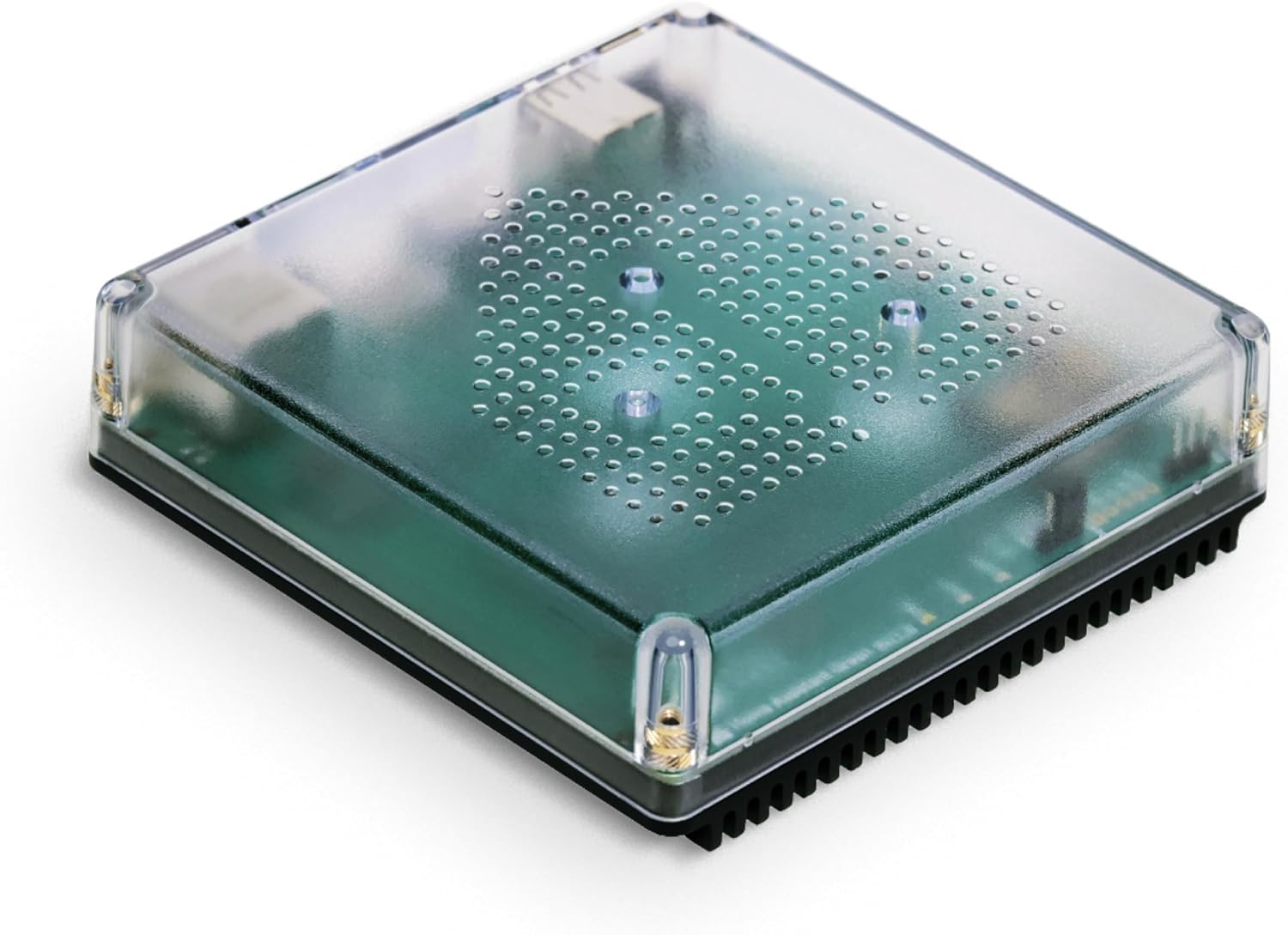
Here’s where I’d start: the Home Assistant Green for most people, the Hubitat Elevation C-8 Pro as the appliance-style local hub (buy the standard version; the plain C-8 is no longer manufactured), and a Raspberry Pi 5 or mini PC running HAOS as the dedicated Home Assistant upgrade path (the Home Assistant Yellow was discontinued in October 2025).
Quick verdict
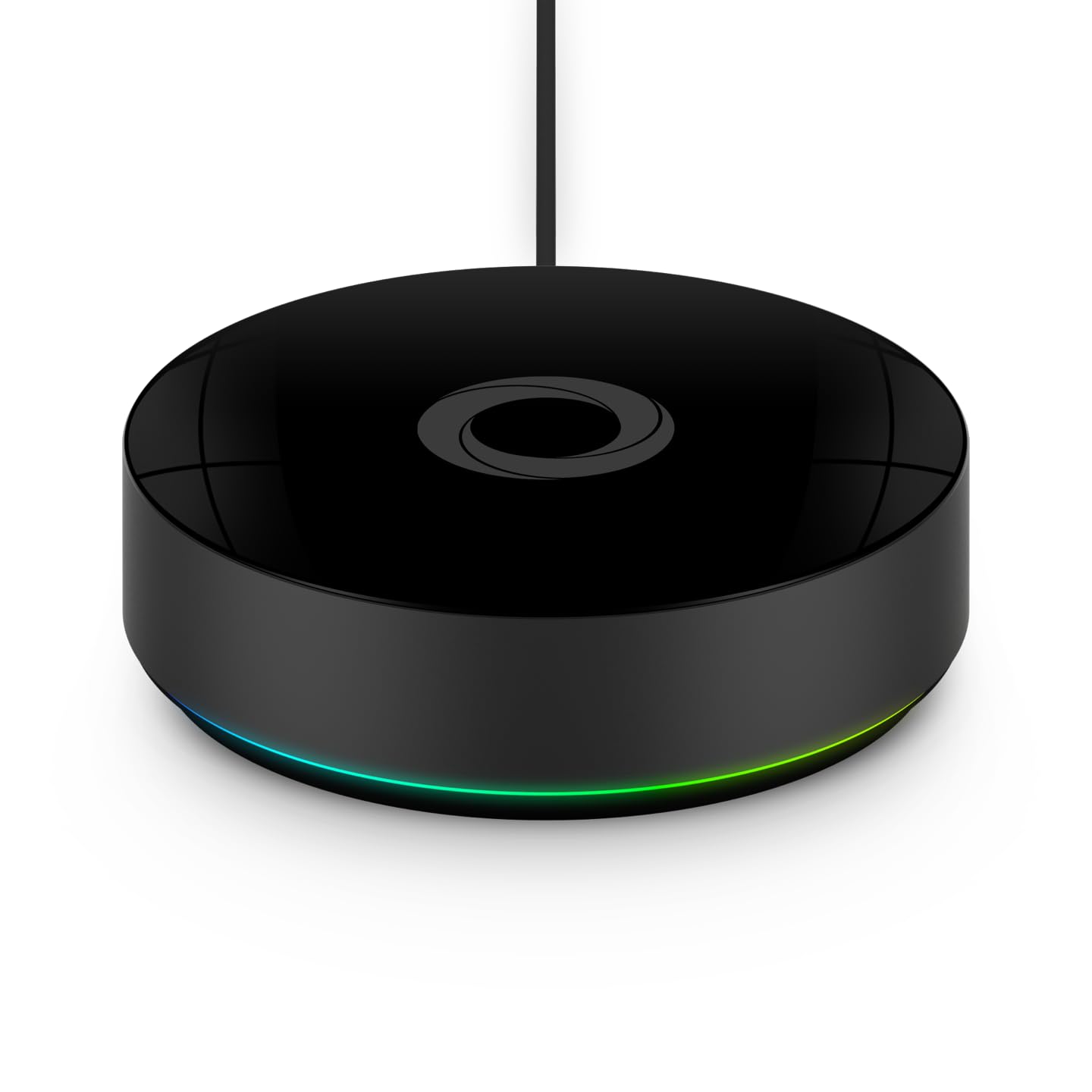
The best local-first hub for most households is Home Assistant Green because it’s the cleanest way to get into a serious Home Assistant setup without starting from a random mini PC project.
If you want something more appliance-like and less open-ended, Hubitat Elevation is still one of the strongest local alternatives. And if you already know you’re committed to Home Assistant for the long haul, a Raspberry Pi 5 or mini PC running Home Assistant OS is the flexible long-term box (the Home Assistant Yellow that used to fill this slot was discontinued in October 2025).
How I judge smart home hubs
I care about five things more than marketing badges:
- Local control quality. Can the core automations and device control stay inside your home?
- Home Assistant reality. Whether it connects cleanly, rather than merely connecting.
- Ecosystem flexibility. Zigbee, Z-Wave, Matter, Thread, cameras, dashboards, bridges, and future expansion.
- Beginner-friendliness. How hard it is to get to a stable, useful setup.
- Long-term fit. Whether this is something you’ll still be happy with in a few years.
Radios at a glance
The hub choice is really a radio choice, and it is the thing buyers get wrong most often, because two of these three boxes have no Zigbee or Z-Wave radio inside them at all.
| Hub | Zigbee | Z-Wave | Thread | Price |
|---|---|---|---|---|
| Home Assistant Green | No - add a USB stick | No - add an 800-series stick | No - add a USB stick | $199 |
| Hubitat Elevation C-8 Pro (standard) | Yes, Zigbee 3.0 | Yes, 800 LR | No | $184.95 |
| Hubitat C-8 Pro Thread Special Edition | No - Thread replaces it | Yes, 800 LR | Yes | $249.95 |
| Pi 5 or mini PC running HAOS | Via USB coordinator | Via USB stick | Via USB coordinator | Varies |
Three things that table is doing that a spec sheet will not tell you:
- The Green is a Matter controller over your LAN on day one, and nothing else. Wi-Fi and Ethernet Matter devices work immediately. Anything on Zigbee, Thread or Z-Wave needs a stick before it will pair, so budget for one.
- The Connect ZBT-2 runs one radio role at a time. It is a Zigbee coordinator or a Thread border router, not both at once, and it does no Z-Wave at all. If you want Zigbee sensors and Thread accessories simultaneously, that is two sticks.
- The Thread Special Edition is not the upgrade its name suggests. Hubitat’s own listing says its Thread radio replaces the Zigbee one, so it cannot pair a single Zigbee device. Z-Wave 800 with Long Range is unaffected. Buy the standard C-8 Pro unless you have a specific reason not to.
Prices read at the vendors on 2026-09-08 for the Green and the Hubitat pair; Hubitat’s C-8 Pro price moves around, so check it before you order.
Best overall: Home Assistant Green
The Green strips away a lot of the early friction that scares people away from Home Assistant, which is why it’s the first recommendation.
Why it wins:
- purpose-built for Home Assistant
- strong local-first behavior
- reliable upgrade path into a bigger HA ecosystem
- beginner-friendly compared with DIY hardware paths
One thing to budget for: the Green has no built-in radios. Out of the box it is a Matter controller over your network and handles Wi-Fi and LAN devices; for Zigbee or Thread you add a USB stick such as the Home Assistant Connect ZBT-2. Z-Wave needs its own 800-series stick. That is a real difference from Hubitat, which has Zigbee and Z-Wave radios inside the box.
The other caveat is that its value depends on actually wanting Home Assistant. If you want a more sealed, appliance-style experience and don’t care about Home Assistant as the center of gravity, Hubitat can be the easier emotional fit.
Buying Green in the UK, Germany or Canada
These Green retailers appear on Home Assistant’s official reseller list. Their listings were checked September 12, 2026:
| Country | Green retailer |
|---|---|
| UK | The Pi Hut |
| Germany | BerryBase |
| Canada | Apollo Automation |
Green includes a 12 V DC, 1 A power supply with EU, US and UK plug adapters, according to Home Assistant. Check stock, delivery charges and any import costs for your address before paying.
For the optional USB radio, UK readers can also check the Connect ZBT-2 at Everything Smart Home. The official ZBT-2 reseller list has further German and Canadian options. ZBT-2 includes its USB cable and runs Zigbee or Thread, one at a time.
Best appliance-style local hub: Hubitat Elevation C-8 Pro
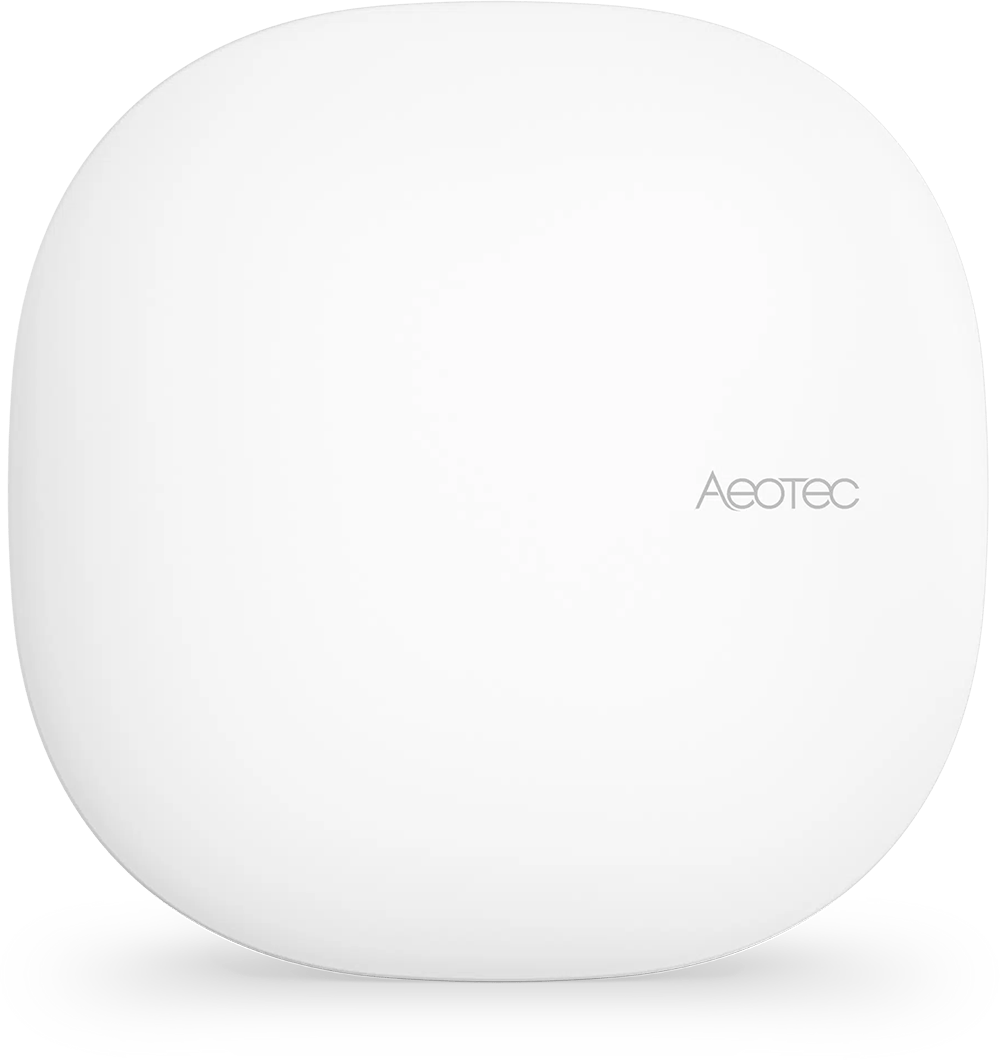
Hubitat is what I recommend when someone wants a more traditional smart home hub that still takes local automation seriously. One buying note: Hubitat confirmed in March 2026 that the C-8 Pro is now the only hub it manufactures, so a new purchase means the Pro (same Zigbee 3.0 / Z-Wave 800 LR / Matter radios, faster CPU and double the RAM). A C-8 you already own, or find used, is still a perfectly good hub. Hubitat now lists the C-8 Pro in two versions: the standard hub at $184.95, and a $249.95 Thread Special Edition. Buy the standard one unless you have a specific reason not to, because Hubitat’s own listing says the Thread Special Edition’s Thread radio replaces the Zigbee radio - that version has no Zigbee at all. The standard C-8 Pro has no Thread radio, so Matter-over-Thread accessories need a separate Thread border router alongside it.
Why it makes sense:
- built-in Zigbee and Z-Wave radios
- strong local automation orientation
- less open-ended than Home Assistant, which some buyers will see as a feature
The downside is that it’s less flexible. If you’re the kind of person who’ll eventually want deeper dashboards, broader integrations, local camera projects, energy dashboards, or aggressive tinkering, Home Assistant usually ages better.
Best upgrade path for committed Home Assistant users: a Pi 5 or mini PC running HAOS
If you already know the Green is too small for what you have planned, Home Assistant Green alternatives goes through the options by workload.
Heads up: Nabu Casa discontinued the Home Assistant Yellow in October 2025, so it is no longer a current purchase. For buyers who already know they want a dedicated, expandable Home Assistant machine, the modern equivalent is a Raspberry Pi 5 (ideally with an NVMe drive) or a small mini PC running Home Assistant OS, plus a Zigbee/Thread USB coordinator to match the radios the Yellow had built in.
It’s especially attractive if you want:
- a more premium dedicated HA box
- room to add a Zigbee / Thread USB coordinator
- a cleaner long-term Home Assistant-centric deployment
For total beginners, Green is still easier to recommend. A Pi 5 or mini PC running HAOS is better seen as the more committed choice, now that the Yellow is discontinued.
Which hub I would choose for different buyers
Pick Home Assistant Green if…
- you want the best balance of local control and beginner-friendliness
- you already think Home Assistant’s probably your long-term platform
- you want a smart home hub that can grow with you
Pick Hubitat Elevation if…
- you want a local hub that feels more appliance-like
- you care more about lower tinkering overhead than maximum flexibility
- your home will revolve mainly around standard automations and radio devices
Pick a Pi 5 or mini PC (HAOS) if…
- you’re already sold on Home Assistant
- you want a nicer dedicated HA hardware path
- you expect your setup to become more serious over time
What to avoid
Try not to choose a hub mainly because it has the longest list of compatibility logos on the box. That usually hides one of two problems:
- the integrations are shallow
- too much still depends on vendor cloud plumbing
A good local-first hub should still make sense when the internet is flaky and when the vendor app isn’t the center of your life. If it comes down to the two boxes, Home Assistant vs Hubitat is the longer comparison.
On the phone side, using Tasker with Home Assistant locally covers driving your hub from Android over its local REST API rather than a cloud round trip.