Best mini PCs for Home Assistant and local smart homes
The best mini PCs for buyers who want a practical Home Assistant host with enough headroom for add-ons, local dashboards, and future growth.
For a lot of people, the smartest “smart home” purchase isn’t another sensor — it’s a boring little computer that can run Home Assistant properly.
If you outgrow a plug-and-play hub, want room for add-ons, or plan to run things like Zigbee2MQTT, Frigate, local backups, or heavier dashboards, a mini PC is usually the clean next step.
Three tiers worth considering:
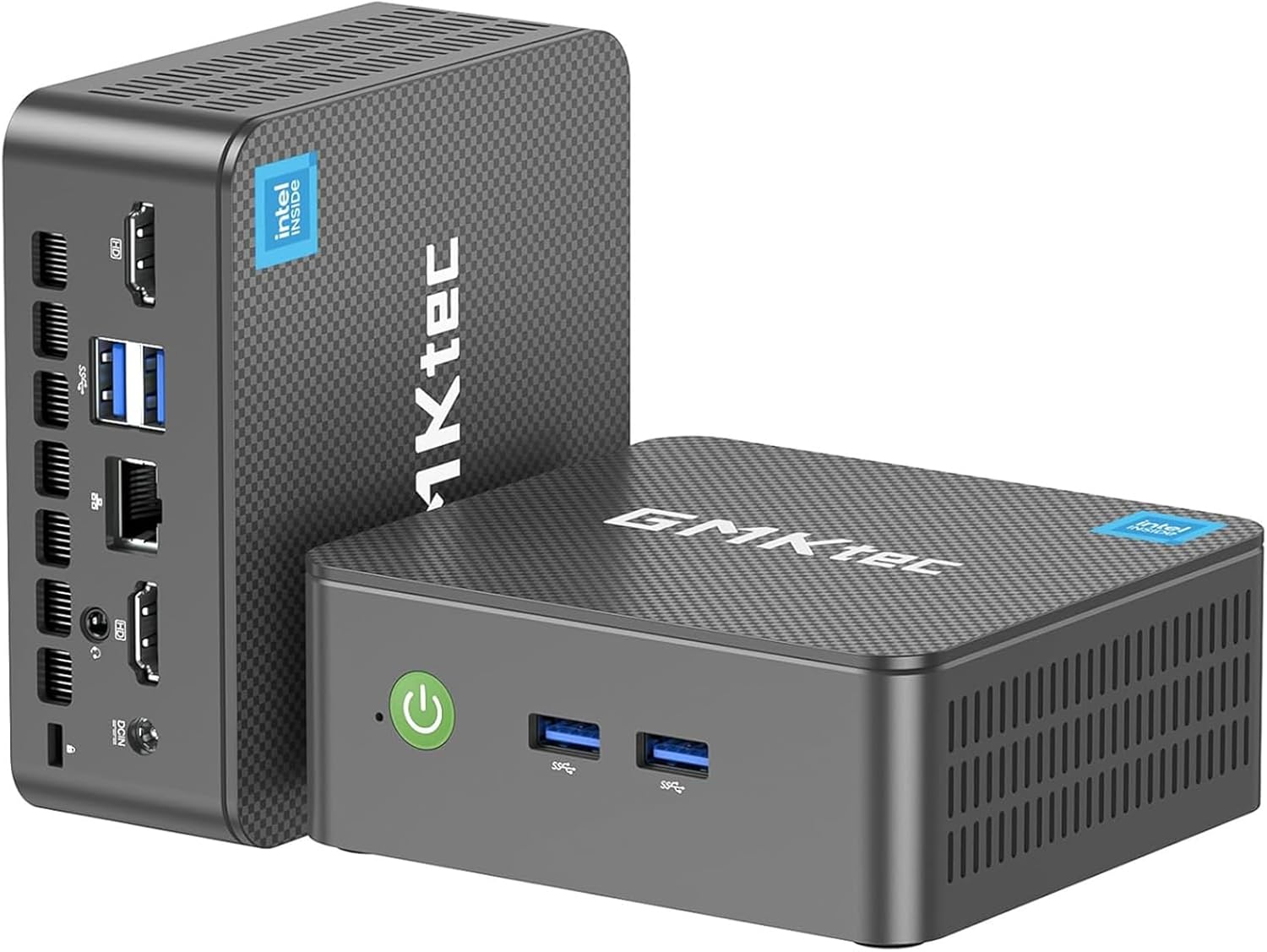
- Best overall value: GMKtec G3 / N100-class mini PC
- Best polished mainstream pick: Beelink EQ13
- Best if you want more breathing room for local-first growth: Intel NUC 12 Pro
Quick verdict
If you want the simplest practical answer, buy a solid Intel N100-class mini PC and run Home Assistant OS on it.
That sweet spot is popular for a reason:
- enough power for normal Home Assistant workloads
- low power draw
- quiet enough to forget about
- cheap enough that you don’t feel ridiculous dedicating it to house automation
If you want something more polished out of the box, Beelink EQ13 is a strong default shortlist item.
If you already suspect you will keep piling on integrations, dashboards, databases, and local AI-ish experiments, Intel NUC 12 Pro is the safer long-run choice.
What matters in a smart-home mini PC
A good Home Assistant mini PC isn’t about gaming specs — it’s about stability, thermals, low idle power, storage sanity, and enough headroom to stop worrying.
The priorities are:
- Can it run Home Assistant OS cleanly and stay boring?
- Is there enough CPU headroom for add-ons and future growth?
- Does storage and RAM feel reasonable, or annoyingly cramped?
- Will it sit quietly on a shelf for years without drama?
- Is the price justified versus Home Assistant Green, Yellow, or a used thin client?
Best overall value: GMKtec G3 / Intel N100-class mini PC
This category is the easiest recommendation because the N100 platform is exactly the kind of overqualified-understated hardware Home Assistant likes.
Why it stands out:
- enough performance for normal Home Assistant use plus common add-ons
- low idle power compared with older office hardware
- usually cheap enough to beat the “just use old junk” temptation
- excellent fit for buyers moving beyond entry-level hubs
Why I still hedge a little:
- quality control depends on brand and model generation
- support expectations aren’t as reassuring as business-grade hardware
- listings can change faster than the actual product names suggest
Best polished mainstream pick: Beelink EQ13
Beelink is one of the easier brands to recommend because it’s common enough that setup notes, user reports, and replacement advice are easy to find.
Why people like it:
- mainstream mini-PC form factor with fewer weird surprises
- Intel N100 efficiency is plenty for many Home Assistant homes
- easy to justify for users who want something new instead of used enterprise gear
Why I would be careful:
- exact SSD, Wi-Fi, and memory configs vary by listing
- still not the same thing as true enterprise hardware support
- you can overpay if you buy based on marketing trim instead of actual needs
Best for headroom: Intel NUC 12 Pro
If your smart home is drifting toward “small homelab with a front door,” the NUC 12 Pro is the grown-up answer.
Why it makes sense:
- more CPU headroom for databases, video workloads, and heavier add-ons
- stronger long-term fit for users who will keep expanding
- easier to repurpose later if your stack changes
The tradeoff is obvious: it costs more than the N100 sweet spot, and many buyers don’t need that extra horsepower on day one.
What to avoid
Avoid buying mini PCs the same way people buy random phone chargers.
Be cautious with:
- listings that hide the exact CPU generation
- tiny storage configs that leave no room for backups or add-ons
- fanless miracle boxes with sketchy thermal behavior
- ancient office hardware if power draw matters at all
- overspending on CPU power you will never use
Final recommendation
For most households building a serious local-first setup, start with a good Intel N100 mini PC.
If you want a cleaner mainstream shopping experience, shortlist Beelink EQ13.
If you already know this system will grow into a heavier local stack, Intel NUC 12 Pro is the safer ambitious pick.
Product notes: