Compare category

EV chargers comparisons

Smart EV chargers (EVSE) that expose energy and charge control to Home Assistant.

Standout picks

Strongest overall pick

Autel MaxiCharger AC Lite Home (40A, NEMA 14-50)

Autel · HA: limited · local: limited

Inexpensive, UL-listed, frequently discounted

Product notes →
Best local-control posture

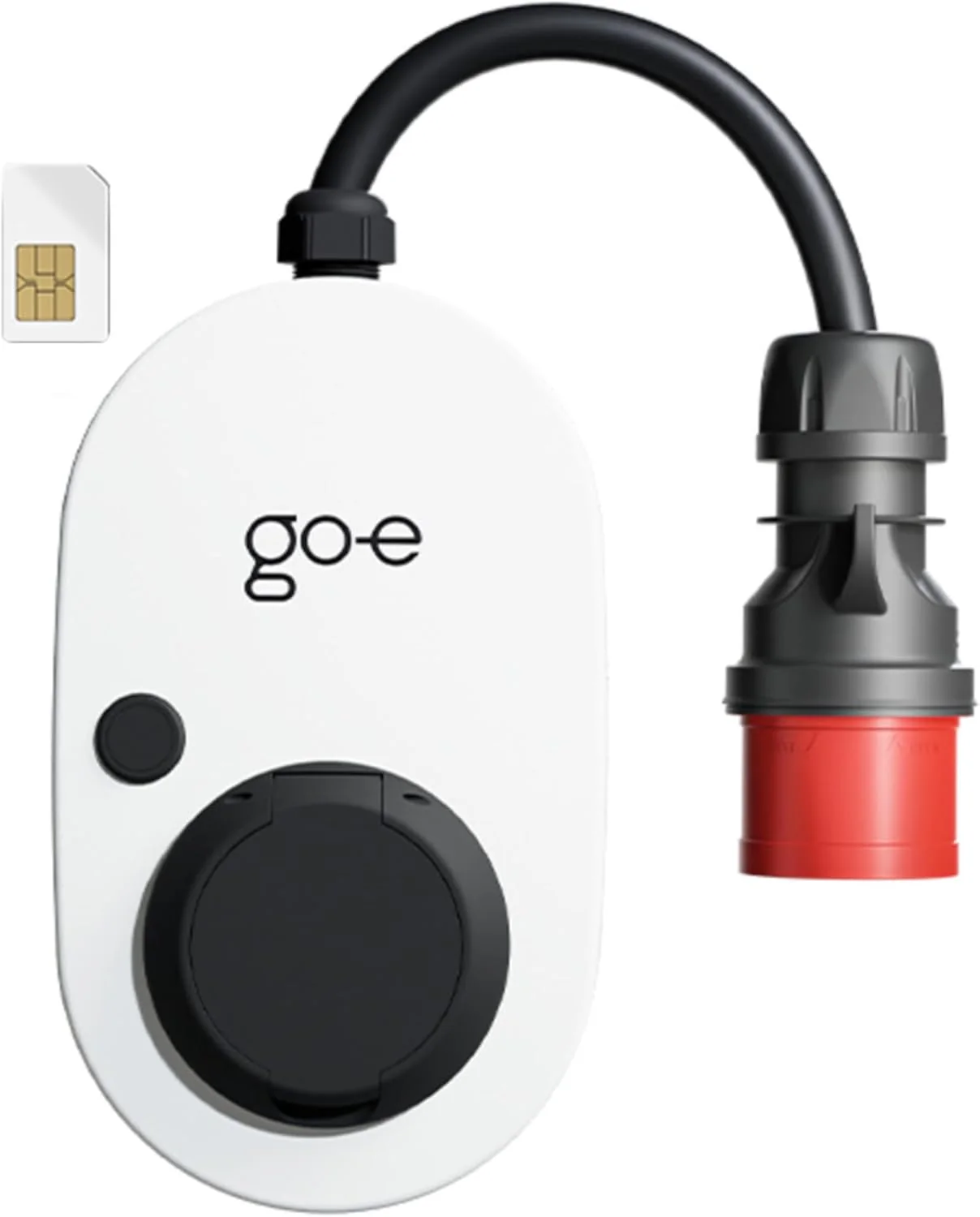
go-e Charger Gemini Flex 2.0 (22 kW)

go-e · works offline: yes

The go-e local HTTP API v2 and WebSocket interface are exposed on the LAN and the HA integration talks to them directly, bypassing go-e's cloud.

Why it stands out →
Easiest starting point

ChargePoint Home Flex (CPH50)

ChargePoint · setup: easy

Buyers who already own a ChargePoint and want cloud energy stats in HA (last-resort filler)

See buyer notes →
Local-first Works fully on your network; any cloud features are optional extras.
Cloud-tinged The core works locally, but some features phone home.
Cloud-heavy Needs the vendor's servers. If the vendor dies, the device dies.
EV chargers comparisons — feature comparison by criteria
Criteria Autel MaxiCharger AC Lite Home (40A, NEMA 14-50) ChargePoint Home Flex (CPH50) Emporia EV Charger go-e Charger Gemini Flex 2.0 (22 kW) Grizzl-E Smart (Avalanche, 40A, NEMA 14-50) OpenEVSE Advanced Series Charging Station (50A) Rivian Wall Charger Tesla Wall Connector (Gen 3) Wallbox Pulsar Plus
Local control limitedpoorfairexcellentlimitedexcellentpoorfairfair
Cloud dependency highhighmediumnonemediumnonehighlowmedium
Home Assistant fit limitedpoorokayexcellentpoorexcellentpoorgoodokay
Works offline yespartly / nopartly / noyespartly / noyespartly / noyespartly / no
Setup difficulty advancedeasyadvancedeasyeasyeasyadvancedmoderatemoderate
Needs extra hub / controller nonononononononono
Power / form factor NEMA 14-50 plug-in, 240V, up to 40ANEMA 14-50 or hardwired, 240V, up to 50Ahardwiredplug-inNEMA 14-50 plug-in, 240V, up to 40Ahardwired or NEMA 14-50, 240Vhardwiredhardwiredhardwired
Protocols Wi-Fi, Bluetooth, EthernetWi-Fi, BluetoothWi-FiWi-FiWi-FiWi-Fi, EthernetWi-FiWi-FiWi-Fi, Bluetooth
Best for Buyers who want an affordable OCPP charger and will self-host an OCPP backendBuyers who already own a ChargePoint and want cloud energy stats in HA (last-resort filler)Budget-conscious buyers who want a capable 48A charger with energy monitoringHA users wanting a polished, fully local API-driven chargerBudget-conscious buyers wanting a tough charger with usable local monitoringHA power users wanting a 100% local, hackable, solar-aware EVSERivian owners who want a matched, attractive 48A home charger and are fine with app-only controlAnyone who wants local, account-free energy monitoring of their home charger in HAPeople who want actual charge control (pause/resume, set amps) from Home Assistant out of the box
Where to buy Amazon (affiliate) ↗ Amazon (affiliate) ↗ Amazon (affiliate) ↗ Amazon (affiliate) ↗ Amazon (affiliate) ↗ View at OpenEVSE ↗ not listed View at Tesla ↗ Amazon (affiliate) ↗
mid price band

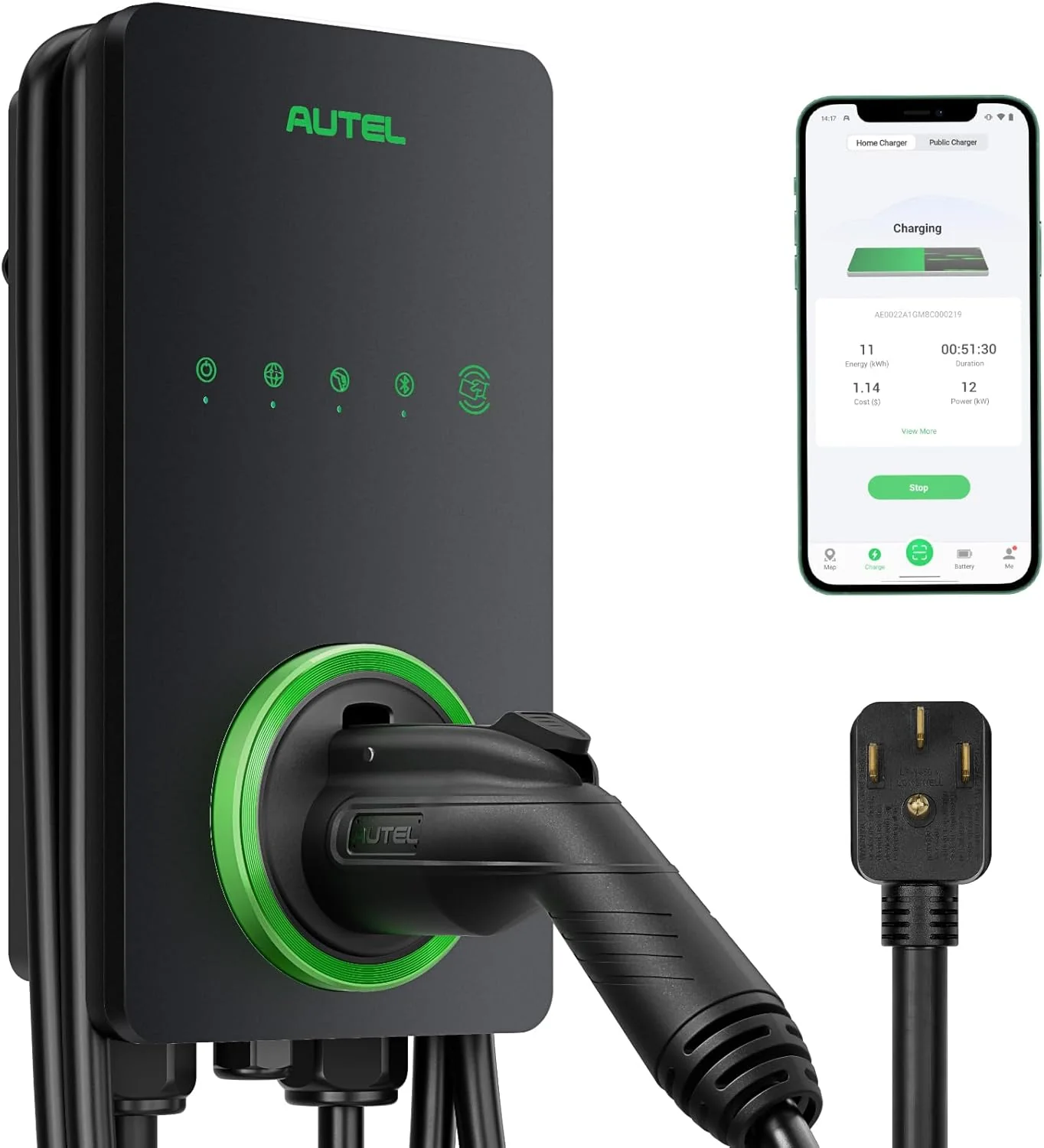
Autel MaxiCharger AC Lite Home (40A, NEMA 14-50)

Autel · local control: limited · cloud: high

  • Setup: advanced
  • Needs extra hub: no / self-contained
  • Standout: Supports OCPP 1.6J, so advanced users can point it at a self-hosted OCPP backend instead of Autel's cloud.
Check price at Amazon ↗ * Product notes →
premium price band

ChargePoint Home Flex (CPH50)

ChargePoint · local control: poor · cloud: high

  • Setup: easy
  • Needs extra hub: no / self-contained
  • Standout: Popular 50A charger with Home Assistant energy-dashboard data, but only via ChargePoint's cloud API.
Check price at Amazon ↗ * Product notes →
budget price band

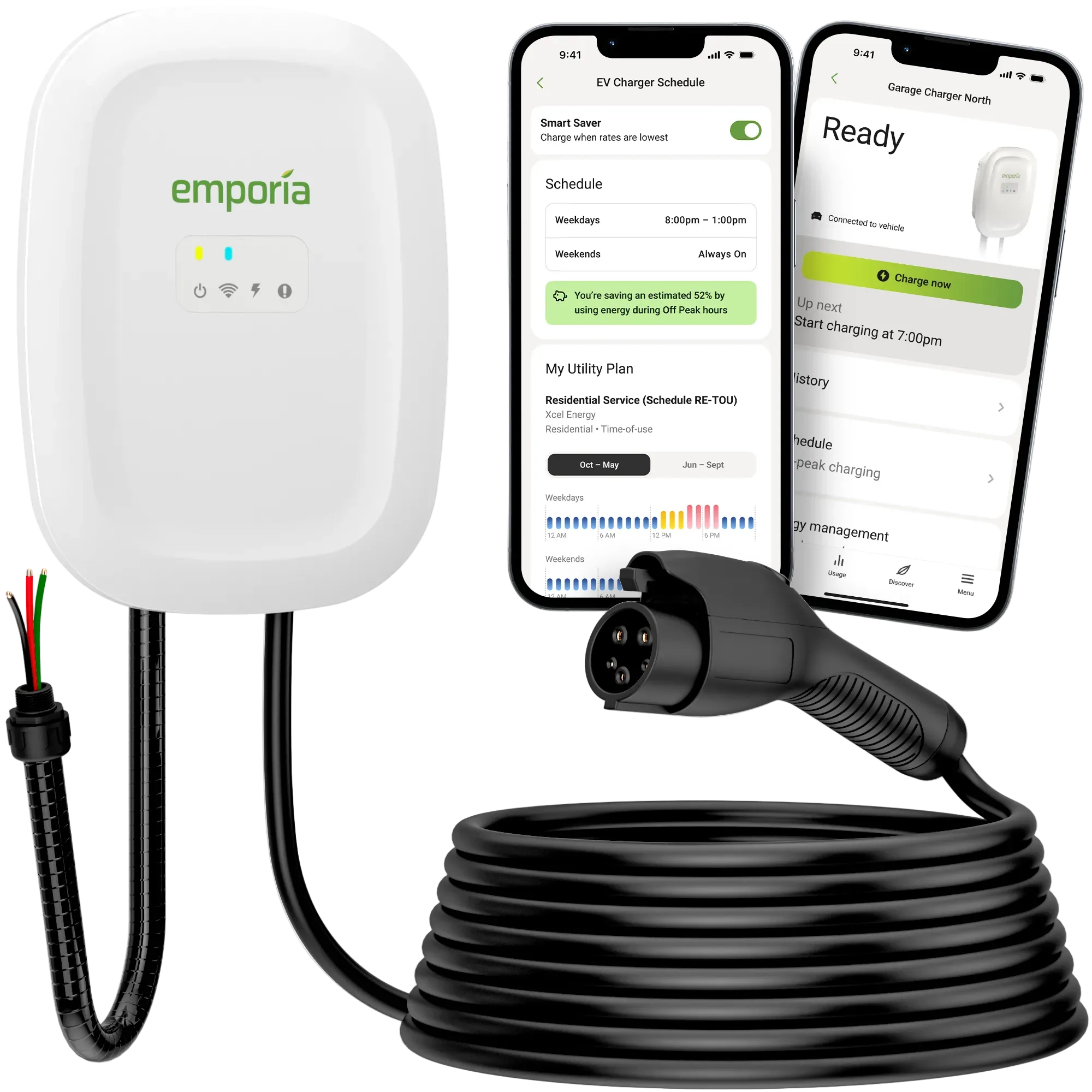
Emporia EV Charger

Emporia · local control: fair · cloud: medium

  • Setup: advanced
  • Needs extra hub: no / self-contained
  • Standout: A cheap, capable 48A charger whose ESP-based controller can be reflashed with ESPHome for fully local Home Assistant control.
Check price at Amazon ↗ * Product notes →
premium price band

go-e Charger Gemini Flex 2.0 (22 kW)

go-e · local control: excellent · cloud: none

  • Setup: easy
  • Needs extra hub: no / self-contained
  • Standout: A documented local HTTP API v2 plus WebSocket push lets Home Assistant read and command the charger entirely on the LAN with no cloud account.
Check price at Amazon ↗ * Product notes →
mid price band

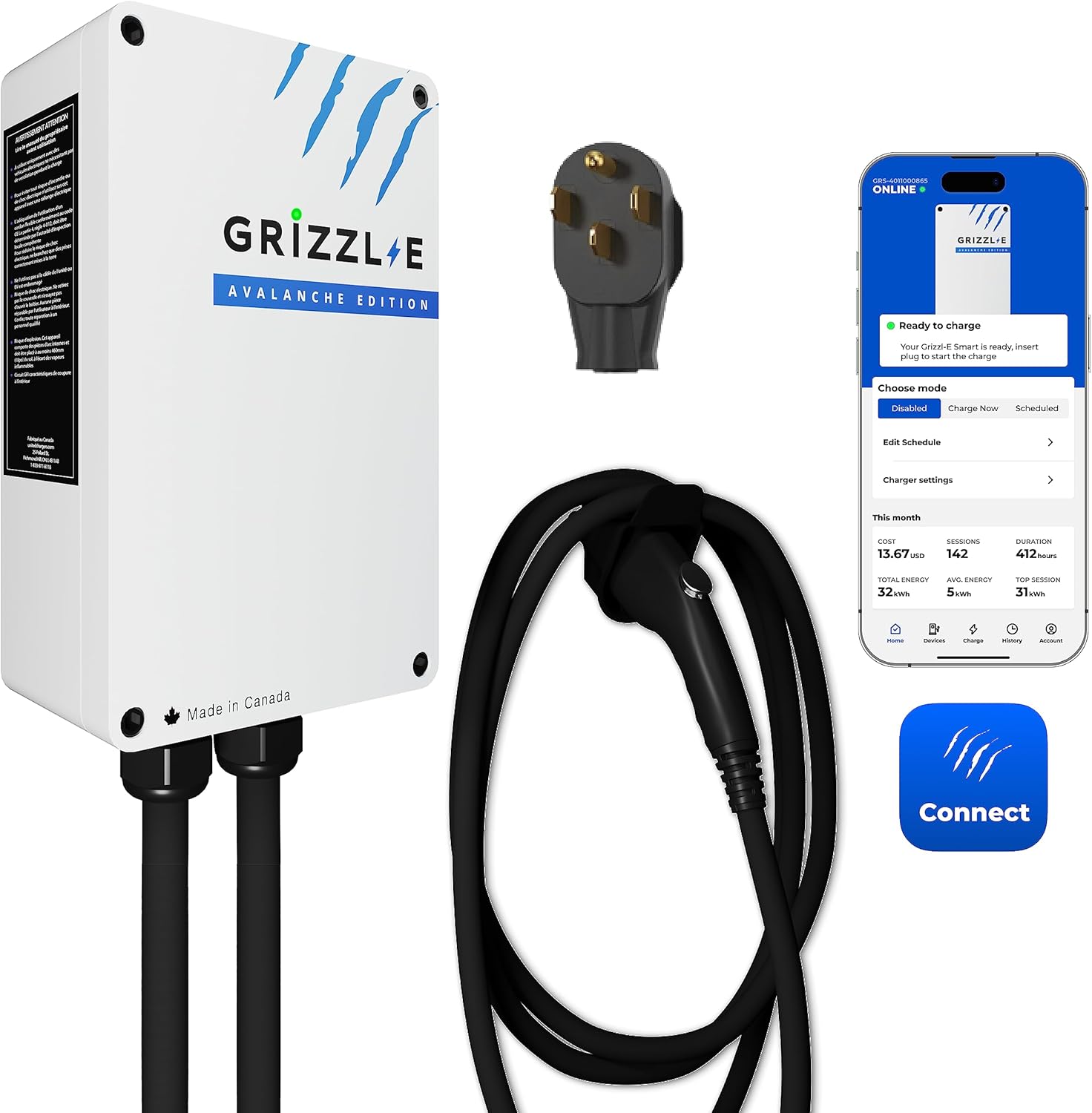
Grizzl-E Smart (Avalanche, 40A, NEMA 14-50)

Grizzl-E · local control: limited · cloud: medium

  • Setup: easy
  • Needs extra hub: no / self-contained
  • Standout: A rugged, affordable UL-listed EVSE; local Home Assistant control requires the paid Grizzl-E OCPP add-on and a self-hosted OCPP server, not the on-board page.
Check price at Amazon ↗ * Product notes →
premium price band

OpenEVSE Advanced Series Charging Station (50A)

OpenEVSE · local control: excellent · cloud: none

  • Setup: easy
  • Needs extra hub: no / self-contained
  • Standout: Fully open-source hardware and firmware with a local-push Home Assistant integration plus native MQTT, so the charger never needs the internet.
Check price at OpenEVSE ↗ Product notes →
premium price band

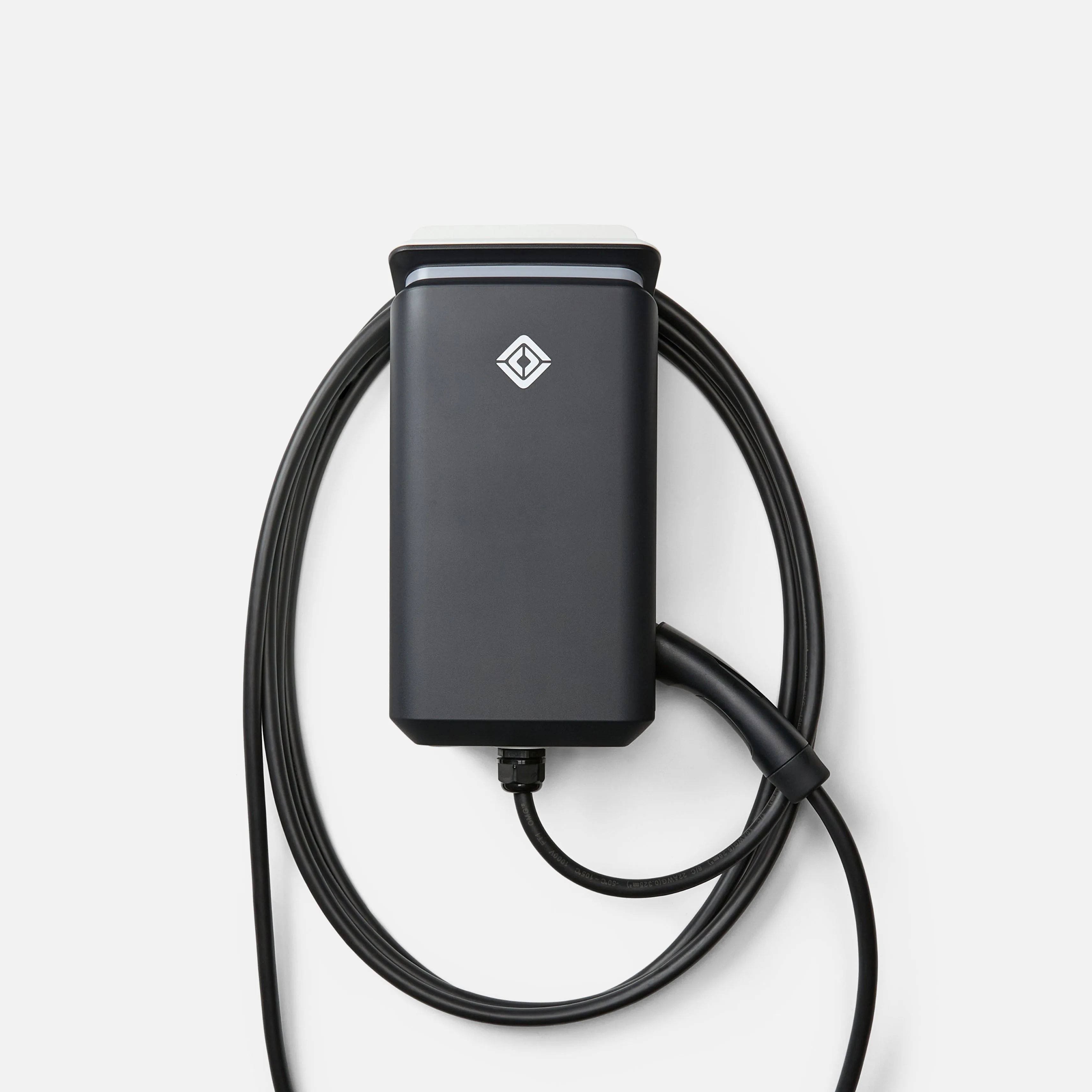
Rivian Wall Charger

Rivian · local control: poor · cloud: high

  • Setup: advanced
  • Needs extra hub: no / self-contained
  • Standout: A clean, Rivian-matched 48A Level 2 charger - but its Home Assistant story is weak and cloud-only.
Product notes →
mid price band

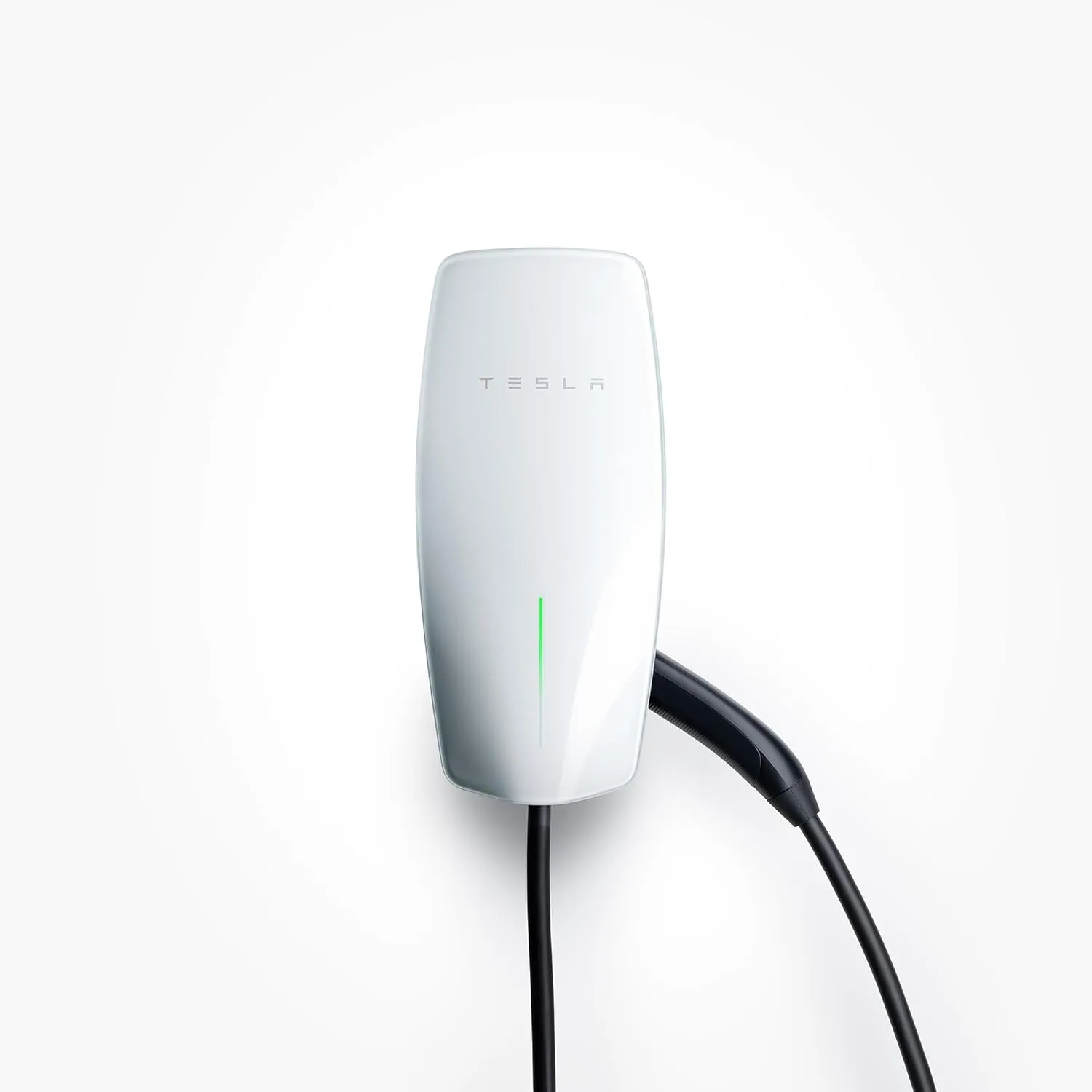
Tesla Wall Connector (Gen 3)

Tesla · local control: fair · cloud: low

  • Setup: moderate
  • Needs extra hub: no / self-contained
  • Standout: One of the few EVSEs with an official, fully local Home Assistant integration - account-free energy and status monitoring over the LAN.
Check price at Tesla ↗ Product notes →
mid price band

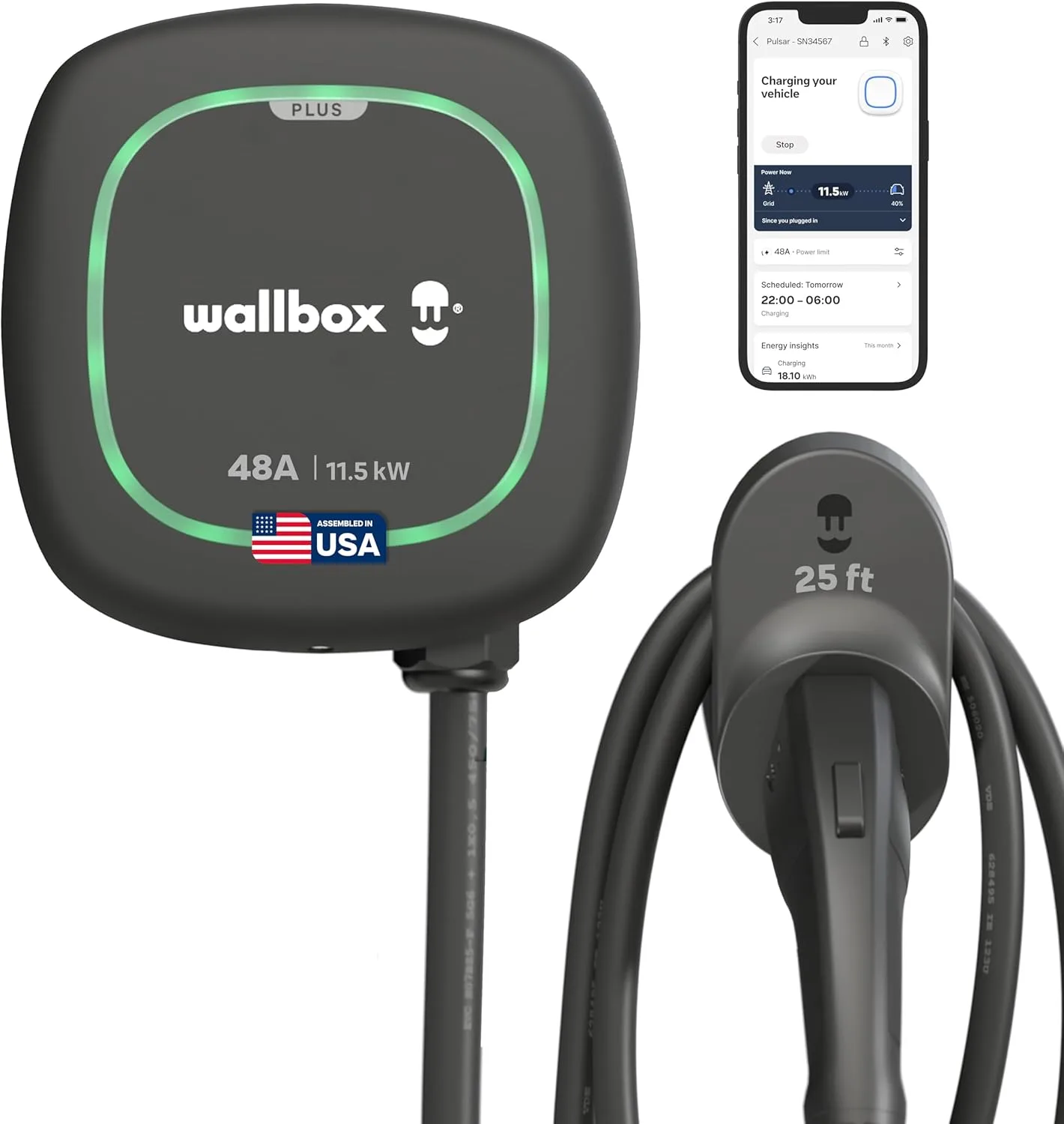
Wallbox Pulsar Plus

Wallbox · local control: fair · cloud: medium

  • Setup: moderate
  • Needs extra hub: no / self-contained
  • Standout: One of the few EV chargers whose official HA integration can actually control charging (pause/resume, set max current) - though over the cloud.
Check price at Amazon ↗ * Product notes →
New guides and product notes, no inbox required. Follow via RSS →